Description
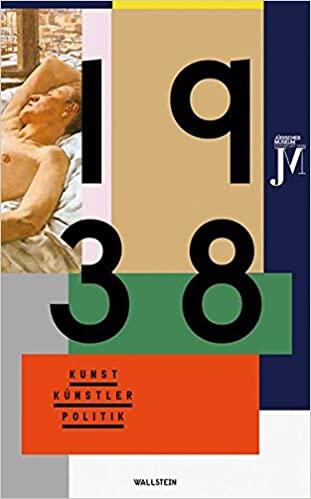
The year 1938 marks a pivotal moment in German-Jewish history, characterized by the tragic events of the November pogroms. This profound turning point depicted the increasing severity of anti-Semitic sentiments and the escalating violence that Jewish communities faced in Nazi Germany. The contributors to this work, drawn from various fields of expertise, delve into the intricate relationship between art, artists, and politics during this tumultuous period. They explore how creative expression collided with rising oppressive forces, impacting not only the lives of individual artists but also the broader cultural landscape.
Through a blend of historical analysis and critical interpretation, the authors illuminate how artists responded to societal upheaval, while simultaneously addressing the implications of their work in a time of danger and despair. As they piece together the narratives of creativity amidst chaos, the work serves as a powerful examination of resilience in the face of tyranny and the enduring influence of art on socio-political movements.
Through a blend of historical analysis and critical interpretation, the authors illuminate how artists responded to societal upheaval, while simultaneously addressing the implications of their work in a time of danger and despair. As they piece together the narratives of creativity amidst chaos, the work serves as a powerful examination of resilience in the face of tyranny and the enduring influence of art on socio-political movements.
Book Details
Format
Paperback
Pages
340 pages
Language
German
Published
Nov 28, 2013
Publisher
Wallstein Verlag
ISBN-10
3835314122
ISBN-13
9783835314122