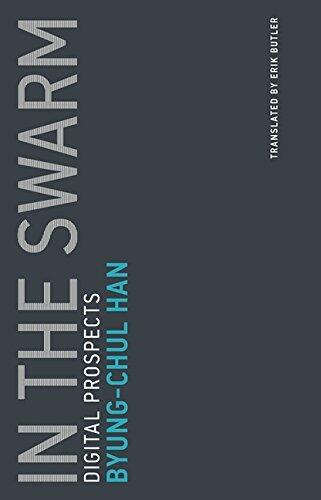
Description
In a world increasingly dominated by digital narratives, the lines between existence and non-existence blur in profound ways. The authors delve into the very essence of meaning, presenting a thought-provoking examination of how digital realities shape our perceptions. Taking on the seemingly simple binary notion of 1 representing presence and 0 embodying absence, they unpack the complexities behind these symbols and their implications on human experience.
As technology evolves, so does the philosophical understanding of what it means to exist in a digital landscape. Through critical analysis and intellectual inquiry, they challenge the reader to consider the overwhelming influence of digital constructs on personal identity, community, and even morality. The dynamic relationship between the physical and the virtual highlights a pressing need to confront the nuances of existence in an era where digital interactions often overshadow real-life connections.
Navigating through theoretical frameworks and practical examples, the authors invite readers to reflect on their own digital footprints. Ultimately, this exploration serves as both a warning and a call to action; it urges a reevaluation of how individuals engage with technology and the broader implications this engagement has on the future of human connection in an increasingly binary world.
As technology evolves, so does the philosophical understanding of what it means to exist in a digital landscape. Through critical analysis and intellectual inquiry, they challenge the reader to consider the overwhelming influence of digital constructs on personal identity, community, and even morality. The dynamic relationship between the physical and the virtual highlights a pressing need to confront the nuances of existence in an era where digital interactions often overshadow real-life connections.
Navigating through theoretical frameworks and practical examples, the authors invite readers to reflect on their own digital footprints. Ultimately, this exploration serves as both a warning and a call to action; it urges a reevaluation of how individuals engage with technology and the broader implications this engagement has on the future of human connection in an increasingly binary world.
Book Details
Format
Paperback
Pages
104 pages
Language
English
Published
Oct 6, 2017
Publisher
The MIT Press
ISBN-10
0262534258
ISBN-13
9780262534253