

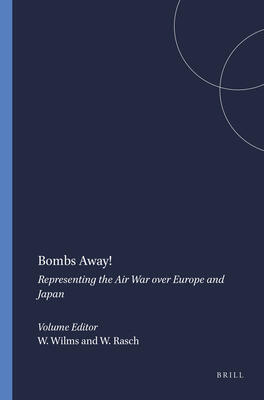
Description
This scholarly work delves into the complex representations of the air war over Europe and Japan during World War II. It examines how the narratives surrounding such monumental events have often been overshadowed by broader discussions of the war. Through meticulous research, the authors illuminate the societal implications and the lasting impact of aerial bombardments on both military strategy and civilian life.
Exploring various mediums, from literature to film, the book highlights the cultural memory of bombing campaigns and their portrayal in post-war narratives. It unpacks the ethical and emotional dimensions of representing destruction from the sky, offering a nuanced analysis of how these memories shape contemporary understanding of warfare.
Wilfried Wilms and William Rasch skillfully challenge readers to reflect on the historical accounts of air warfare and the silence surrounding its consequences. Their insights prompt a re-evaluation of how history is recorded and remembered, emphasizing the importance of acknowledging all facets of conflict.
Book Details
Format
Hardcover
Pages
404 pages
Language
English
Published
Mar 15, 2006
Publisher
Rodopi
ISBN-10
9042017597
ISBN-13
9789042017597