

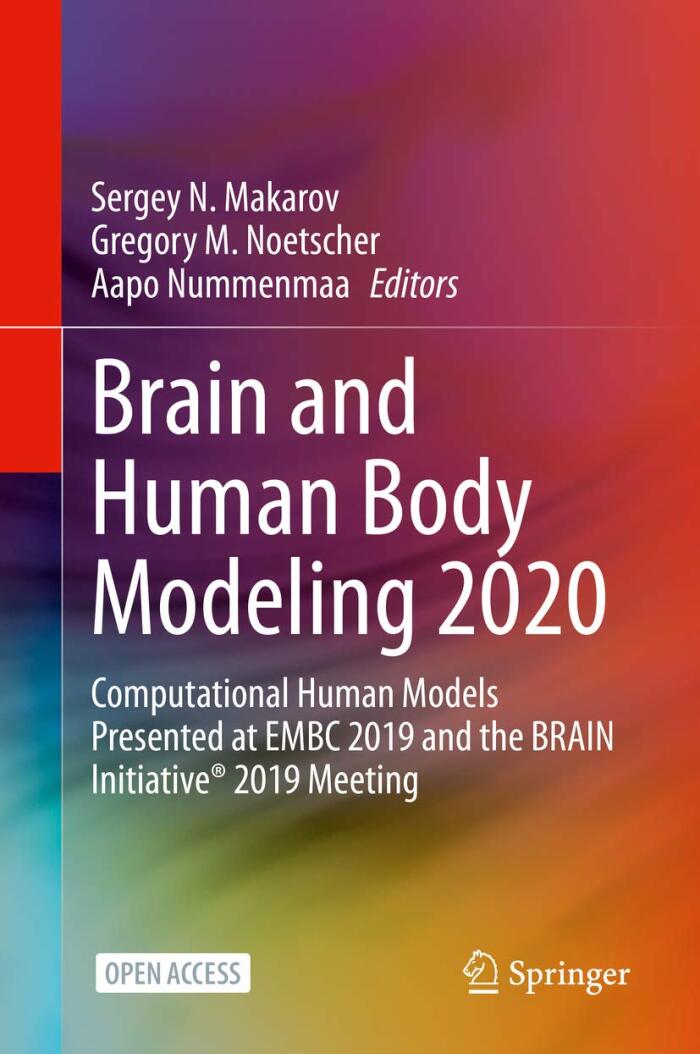
Book Details
Format
Kindle
Pages
666
Language
English
Published
Aug 5, 2020
Publisher
Springer
ISBN-10
3030456234
ISBN-13
9783030456238
Description
In a world increasingly influenced by technology, the intersection of computational modeling and human biology takes center stage in this insightful volume. It delves into cutting-edge applications of human body modeling, reflecting research presented at prominent conferences like EMBC 2019 and the BRAIN Initiative® 2019 Meeting. The authors, experts in their fields, explore innovative methodologies that bridge the gap between complex biological systems and technological approach.
The narrative unfolds through a meticulous examination of various computational models designed to replicate human anatomy and physiology. Readers will find enlightening discussions on how these models contribute to our understanding of health, disease, and the intricate workings of the human brain. With a strong emphasis on collaborative research, the authors highlight the importance of interdisciplinary efforts in advancing medical science.
Moreover, the book presents case studies that illustrate real-world applications, ensuring that theoretical knowledge is grounded in practical implications. By showcasing advancements in areas such as neural networks and physiological simulations, this work aims to inspire further innovation in health and medicine.
As an open access resource, this book invites a global audience to engage with and contribute to the burgeoning field of computational human modeling. It stands as a testament to the potential of technology to reshape the landscape of healthcare, offering both researchers and practitioners a valuable compendium of knowledge.
The narrative unfolds through a meticulous examination of various computational models designed to replicate human anatomy and physiology. Readers will find enlightening discussions on how these models contribute to our understanding of health, disease, and the intricate workings of the human brain. With a strong emphasis on collaborative research, the authors highlight the importance of interdisciplinary efforts in advancing medical science.
Moreover, the book presents case studies that illustrate real-world applications, ensuring that theoretical knowledge is grounded in practical implications. By showcasing advancements in areas such as neural networks and physiological simulations, this work aims to inspire further innovation in health and medicine.
As an open access resource, this book invites a global audience to engage with and contribute to the burgeoning field of computational human modeling. It stands as a testament to the potential of technology to reshape the landscape of healthcare, offering both researchers and practitioners a valuable compendium of knowledge.