Description
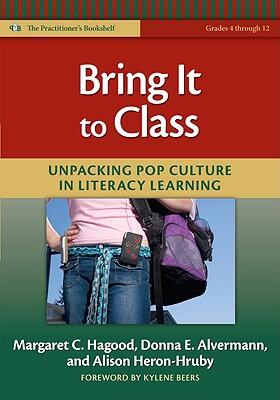
In a vibrant exploration of how pop culture intersects with literacy learning, this book delves into the ways students engage with various forms of media beyond traditional textbooks. The authors recognize that contemporary students come equipped with a wealth of knowledge and experience from graphic novels, popular music, and social media, all of which contribute to their learning processes. By harnessing these diverse influences, educators are encouraged to create dynamic classroom environments that validate and incorporate students’ interests.
Through insightful discussions and vivid examples, the text emphasizes the importance of bridging the gap between home and school literacy practices. It advocates for recognizing the significance of the content that students bring from their everyday lives, promoting a more inclusive approach to literacy instruction. While traditional academic texts have their place, the authors argue that pop culture materials can enhance comprehension and engagement.
The book is structured to provide practical strategies for teachers aiming to cultivate an inclusive literacy curriculum. By unpacking the complexities of pop culture, readers are invited to rethink pedagogical approaches, consider innovative assessments, and develop teaching practices that resonate with students' realities. In doing so, they promote a more meaningful and relevant literacy education that empowers students.
Ultimately, the work serves as a compelling reminder that literacy is not confined to the pages of academic texts. Instead, it thrives in the vibrant, multifaceted world that students inhabit, urging educators to embrace this landscape for richer learning experiences.
Through insightful discussions and vivid examples, the text emphasizes the importance of bridging the gap between home and school literacy practices. It advocates for recognizing the significance of the content that students bring from their everyday lives, promoting a more inclusive approach to literacy instruction. While traditional academic texts have their place, the authors argue that pop culture materials can enhance comprehension and engagement.
The book is structured to provide practical strategies for teachers aiming to cultivate an inclusive literacy curriculum. By unpacking the complexities of pop culture, readers are invited to rethink pedagogical approaches, consider innovative assessments, and develop teaching practices that resonate with students' realities. In doing so, they promote a more meaningful and relevant literacy education that empowers students.
Ultimately, the work serves as a compelling reminder that literacy is not confined to the pages of academic texts. Instead, it thrives in the vibrant, multifaceted world that students inhabit, urging educators to embrace this landscape for richer learning experiences.
Book Details
Format
Paperback
Pages
112 pages
Language
English
Published
May 19, 2010
Publisher
Teachers College Press
Edition
Illustrated
Editions
2 editions
ISBN-10
0807750611
ISBN-13
9780807750612
Genres
Science & Technology