

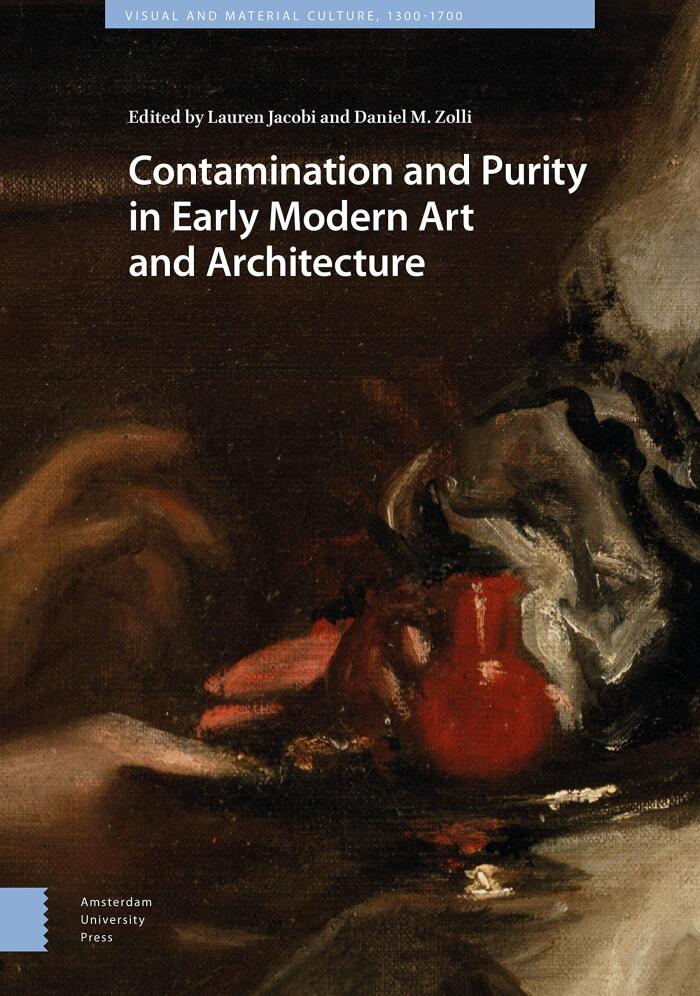
Description
Early modern Europe grappled with the dichotomy of purity and contamination, themes that permeated various aspects of life, art, and architecture. The authors explore how these concepts influenced artistic expression and architectural design, reflecting societal values and anxieties of the time. The interplay between these opposing forces reveals a rich tapestry of cultural thought, shedding light on how these ideas shaped not only the aesthetic landscape but also the broader intellectual currents of the period.
Through a nuanced examination of historical contexts, the work invites readers to reconsider established notions of art and architecture. It challenges them to recognize the significance of cultural purity and the fear of contamination in shaping not only aesthetics but also identity and community ideals. By delving into this complex relationship, the authors provide a compelling insight into the early modern psyche and its enduring impact on contemporary discourse.
Through a nuanced examination of historical contexts, the work invites readers to reconsider established notions of art and architecture. It challenges them to recognize the significance of cultural purity and the fear of contamination in shaping not only aesthetics but also identity and community ideals. By delving into this complex relationship, the authors provide a compelling insight into the early modern psyche and its enduring impact on contemporary discourse.
Book Details
Format
Hardcover
Pages
368 pages
Language
English
Published
May 6, 2021
Publisher
Amsterdam University Press
ISBN-10
9462988692
ISBN-13
9789462988699