Description
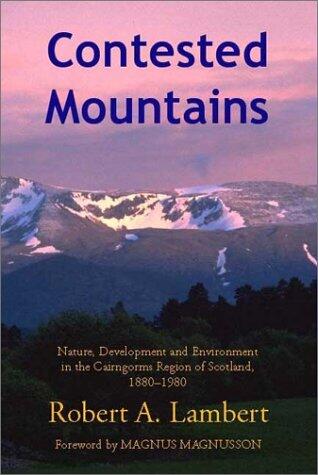
In the heart of Scotland lies the Cairngorms, a region steeped in natural beauty and complex histories. This work delves into the rich interplay between nature, development, and environmental concerns over a century of transformation from 1880 to 1980. Robert A. Lambert reveals how the majestic mountains have been both a catalyst for tourism and a battleground for competing interests, reflecting broader societal changes.
As the landscape evolved, so too did the ways in which it was perceived and utilized by locals, visitors, and industries. Lambert’s exploration highlights the tensions between preservation and progress, shedding light on the dilemmas faced by communities striving to balance economic growth with environmental stewardship. Through detailed research, he paints a vivid picture of how these dynamics shaped the Cairngorms, making them a focal point for discussions on sustainability and heritage.
The narrative unfolds against the backdrop of shifting policies and social attitudes, providing a comprehensive understanding of the region’s place within the wider context of Scottish identity. Lambert’s insightful analysis prompts readers to consider the ongoing relevance of historical choices in shaping contemporary environmental discourse, encouraging a deeper appreciation of landscapes deemed both contested and cherished.
As the landscape evolved, so too did the ways in which it was perceived and utilized by locals, visitors, and industries. Lambert’s exploration highlights the tensions between preservation and progress, shedding light on the dilemmas faced by communities striving to balance economic growth with environmental stewardship. Through detailed research, he paints a vivid picture of how these dynamics shaped the Cairngorms, making them a focal point for discussions on sustainability and heritage.
The narrative unfolds against the backdrop of shifting policies and social attitudes, providing a comprehensive understanding of the region’s place within the wider context of Scottish identity. Lambert’s insightful analysis prompts readers to consider the ongoing relevance of historical choices in shaping contemporary environmental discourse, encouraging a deeper appreciation of landscapes deemed both contested and cherished.
Book Details
Format
Hardcover
Pages
320 pages
Language
English
Published
Nov 1, 2001
Publisher
The White Horse Press
ISBN-10
1874267448
ISBN-13
9781874267447