

Description
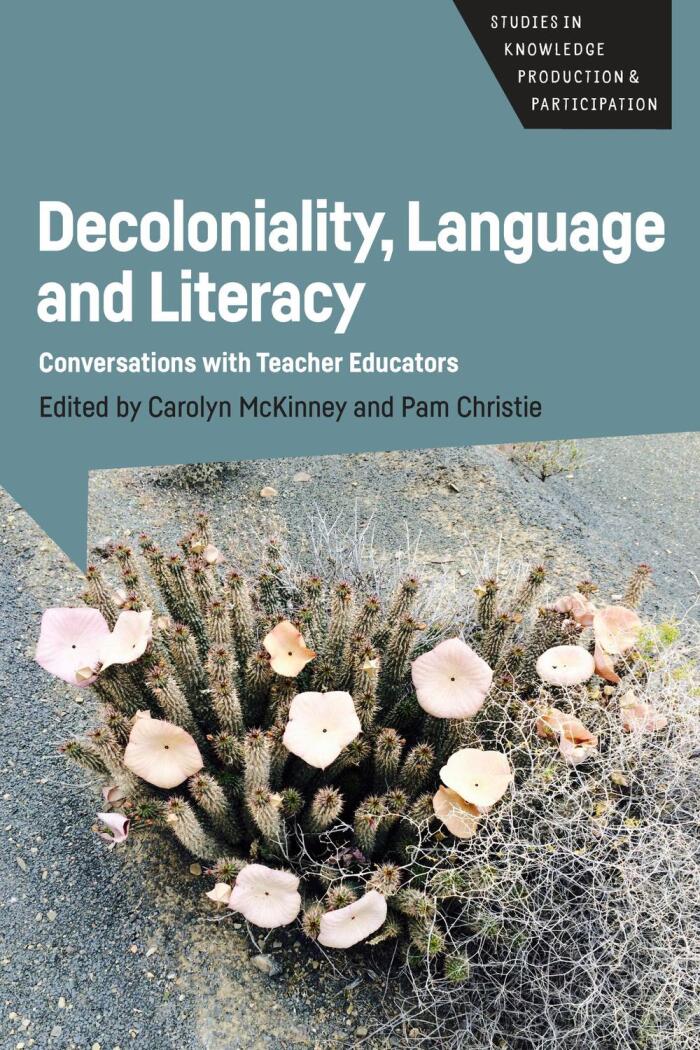
This work explores the intricate relationship between decoloniality, language, and literacy, inviting readers into thoughtful discussions with teacher educators. The author, Benjamin W. D. Redding, employs a variety of unconventional genres and innovative approaches to data representation, making the content both engaging and insightful. Through reflective narratives and dialogues, the text reveals the complex layerings of identity, culture, and education, challenging traditional paradigms.
Redding's exploration emphasizes the importance of language in shaping educational practices and the necessity of understanding literacy as not just a skill, but as a means of empowerment within a decolonial framework. By highlighting diverse voices and perspectives, this work encourages educators to rethink their approaches to teaching and learning, ultimately aiming to foster an inclusive and reflective educational environment. The conversations unfold like a tapestry of knowledge, celebrating the potential for transformation within academia and beyond.
Redding's exploration emphasizes the importance of language in shaping educational practices and the necessity of understanding literacy as not just a skill, but as a means of empowerment within a decolonial framework. By highlighting diverse voices and perspectives, this work encourages educators to rethink their approaches to teaching and learning, ultimately aiming to foster an inclusive and reflective educational environment. The conversations unfold like a tapestry of knowledge, celebrating the potential for transformation within academia and beyond.
Book Details
Format
Kindle
Pages
396 pages
Language
English
Published
Jan 1, 2021
Publisher
Multilingual Matters
Edition
1
ISBN-10
1788929268
ISBN-13
9781788929264