

Description
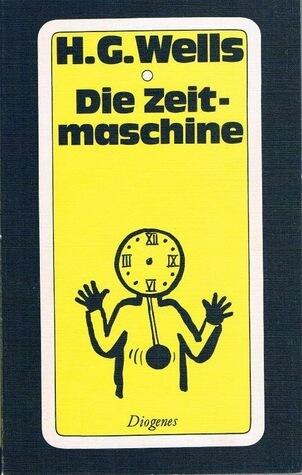
H. G. Wells' 1895 erschienener Roman wurde zum oft nachgeahmten, aber nie erreichten Vorbild: Mit ihm eröffnete der geniale Visionär die Reihe der in unserem Jahrhundert bedeutenden literarischen Gegenutopien, die sich apokalyptischer Bilder bedient, um eine humane und gerechte Welt anzumahnen.
Book Details
Genres
Reviews
View All
H. G. Wells - A Porta No Muro. 🧱
Mais uma leitura do ESK! 📚
Foi uma leitura interessante e também uma total viagem — mas no bom sentido!
Fiquei com a impressão de que H. G. Wells quis levar a história para um lado mais psicológico, com aquela porta representando uma espécie de fuga, um refúgio da realidade. Quanto mais eu pensava sobre isso, mais interessante a história ficava.
Uma leitura curta, diferente e que, apesar de simples à primeira vista, dá bastante espaço para interpretações e reflexões.

A classic that I should have read a long time ago!It did take me a while to get into this, mainly due to the writing style of a time long gone, but I was soon invested in the story and loved the way HG Wells explored the evolution of the human race into the very distant future. As a predominantly non-fiction reader, I also very much enjoyed the references throughout the book that gave more detail on specific notions/phrases that may be completely clear to the reader. A great blend of fact and fiction and it's a concept I wish was used in more books where the story is based on real-world scientific and/or historical principles.

Under its thrilling Sci-Fi structure, the novel supplies a thorough analysis of the chasm which divided the different classes in late 19th century England.When the time traveler comes into contact with the Eloi for the first time, the palaces in which they lived and which had replaced the Victorian structure of houses and cottages suggest to his mind a communist evolution into a utopian world. In this manner, Wells imparts his viewpoint on the doctrine by focusing on the limited bodily and mental faculties of the Eloi. Having no more motivation to strive for under such a system humanity would simply collapse into a state of imbecility and childishness.Upon his meeting with the Morlocks, the time traveler's idea of the new world changes and takes the shape of a capitalist disaster in which the two main classes had grown so different that they ended up into different species which conveys the author's opinion regarding capitalism during the latter part of the 19th century.The subsequent discovery in regard to the Morlocks' cannibalism suggests an inversion of capitalism into some sort of dystopian socialism where the lower classes turn savagely against the well-to-do and the wealthy.The time traveler's sympathy for the Eloi and repugnance towards the Morlocks reflect Wells' social consciousness as the son of a shopkeeper who had failed in maintaining the family's economical security so that Wells' own mother had found herself under the obligation of seeking a position as a servant. This caused the author to nurture a constant fear of destitution and degeneration.