Description
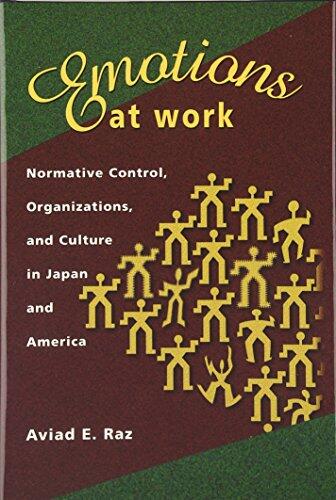
Aviad E. Raz delves into the intricate relationship between emotions and the workplace, exploring how feelings influence professional environments in both Japan and America. Through a comparative lens, Raz sheds light on the ways normative control shapes emotional expressions and interactions within organizations. The emotional landscape of work serves as a critical aspect of productivity and employee satisfaction, emphasizing that emotions are not just personal experiences but also shared cultural phenomena.
The book invites readers to reflect on the underlying cultural norms that dictate acceptable emotional behavior in professional settings. By examining case studies and real-world examples, Raz demonstrates how corporate cultures in Japan and America handle emotions differently, and what implications these differences have on employee dynamics and organizational effectiveness.
Through thoughtful analysis, the work encourages a deeper understanding of how emotional management can lead to enhanced workplace harmony. It provides insights into fostering an environment where both individual and collective emotions can thrive, ultimately influencing the nature of work culture in an evolving global landscape.
Book Details
Format
Hardcover
Pages
304 pages
Language
English
Published
May 30, 2002
Publisher
Harvard University Asia Center
Edition
First Edition
ISBN-10
0674008588
ISBN-13
9780674008588