

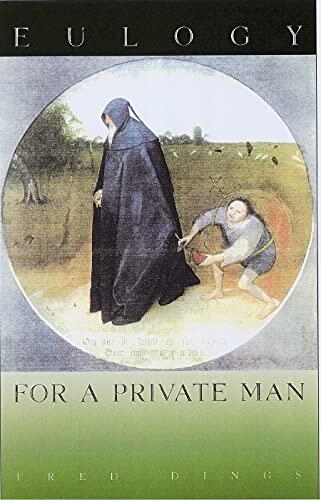
Description
In a poignant exploration of identity and legacy, the narrative unfolds around the life of a private man, a figure shrouded in mystery yet deeply resonant with universal themes of love, loss, and the quest for meaning. The author artfully weaves together moments of introspection and vivid recollections, revealing the complexities of a character whose seemingly ordinary existence belies a profound inner world.
Connections to family, friends, and the community surface as vivid threads in the tapestry of his life. Each relationship, marked by its own nuances, speaks to the delicate balance between public persona and private self. Through heartfelt anecdotes and evocative imagery, the reader is drawn into an intimate journey, contemplating what it truly means to be remembered.
As the narrative unfolds, themes of regret and reconciliation emerge, compelling the reader to reflect on their own relationships and the legacy they wish to leave behind. The exploration of mortality serves as a dense backdrop, inviting contemplation of what endures and what fades with time.
Dings crafts a rich narrative that serves not only as a tribute to the titular private man, but as a mirror for the audience, urging them to consider their own stories in the grand tapestry of existence. The resulting experience is both melancholy and uplifting, provoking thought about the deeper connections that define humanity.
Connections to family, friends, and the community surface as vivid threads in the tapestry of his life. Each relationship, marked by its own nuances, speaks to the delicate balance between public persona and private self. Through heartfelt anecdotes and evocative imagery, the reader is drawn into an intimate journey, contemplating what it truly means to be remembered.
As the narrative unfolds, themes of regret and reconciliation emerge, compelling the reader to reflect on their own relationships and the legacy they wish to leave behind. The exploration of mortality serves as a dense backdrop, inviting contemplation of what endures and what fades with time.
Dings crafts a rich narrative that serves not only as a tribute to the titular private man, but as a mirror for the audience, urging them to consider their own stories in the grand tapestry of existence. The resulting experience is both melancholy and uplifting, provoking thought about the deeper connections that define humanity.
Book Details
Format
Paperback
Pages
56 pages
Language
English
Published
Sep 25, 1999
Publisher
TriQuarterly
Edition
First Edition, 1
Editions
2 editions
ISBN-10
0810150948
ISBN-13
9780810150942