

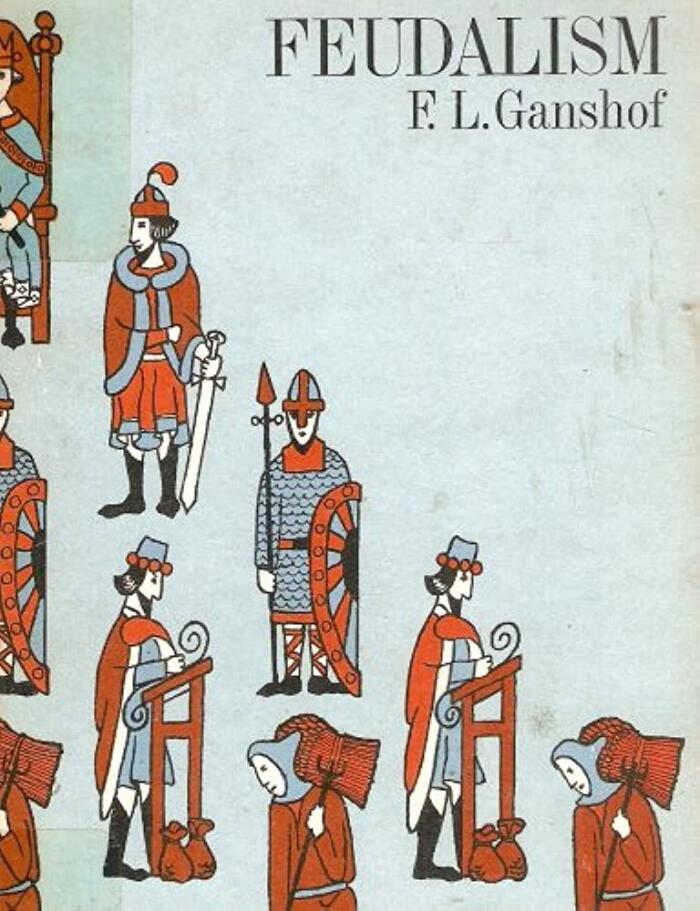
Description
François-Louis Ganshof delves into the intricate world of feudalism, illuminating its complexities with clarity and precision. Through a careful examination of historical contexts and societal structures, Ganshof provides a comprehensive analysis that caters to both educators and learners in the field of medieval studies. His meticulous research sheds light on the multifaceted relationships between lords and vassals, along with the economic and social implications that accompanied this dominant system.
The narrative unfolds a rich tapestry of medieval life, showcasing how feudalism shaped not only political hierarchies but also the everyday experiences of individuals within society. Ganshof's work reveals the underlying motivations that drove feudal allegiances and the resultant power dynamics that defined the era. This exploration serves as a vital resource for those seeking to understand the foundational elements of medieval Europe.
Throughout the book, Ganshof's insightful interpretations challenge readers to engage critically with historical narratives, making connections between past and present. His approachable yet scholarly style invites a broad audience to appreciate the enduring legacies of feudal structures. As a pivotal contribution to the study of medieval history, this work stands as an essential reference for scholars and enthusiasts alike.
The narrative unfolds a rich tapestry of medieval life, showcasing how feudalism shaped not only political hierarchies but also the everyday experiences of individuals within society. Ganshof's work reveals the underlying motivations that drove feudal allegiances and the resultant power dynamics that defined the era. This exploration serves as a vital resource for those seeking to understand the foundational elements of medieval Europe.
Throughout the book, Ganshof's insightful interpretations challenge readers to engage critically with historical narratives, making connections between past and present. His approachable yet scholarly style invites a broad audience to appreciate the enduring legacies of feudal structures. As a pivotal contribution to the study of medieval history, this work stands as an essential reference for scholars and enthusiasts alike.
Book Details
Format
Paperback
Pages
170 pages
Language
English
Published
Dec 1, 1964
Publisher
Harper Torchbooks
ISBN-10
058248216X
ISBN-13
9780582482166
Genres
History
Business & Economics