

Book Details
Format
Kindle
Pages
426
Language
English
Published
Mar 28, 2006
Publisher
Lexington Books
Description
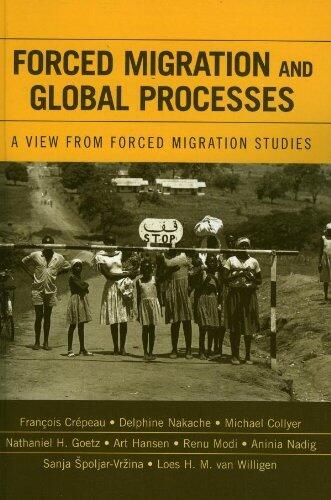
The exploration of forced migration and its connection to global processes is meticulously delved into by a diverse group of scholars. They bring a wealth of perspectives that highlight the complex dynamics at play when individuals are compelled to leave their homes. Each contributor skillfully weaves together personal narratives and empirical research, illuminating the multifaceted experiences of migrants facing displacement.
The book offers a rich tapestry of analysis, examining how global socio-economic structures, political conflicts, and environmental changes contribute to the surge in migration. The authors stress that forced migration is not merely a consequence of individual choice but is deeply influenced by broader systemic issues that transcend national borders. Through their insights, readers gain a clearer understanding of the interplay between local and global contexts.
In an era where migration is frequently politicized, the work urges readers to empathize with the lived realities of those uprooted. By shedding light on individual stories and hardships, the authors foster a more humane discourse around migration, emphasizing the need for compassion and understanding in response to these global challenges.
The thoughtful contributions provoke vital questions about policy, ethics, and the responsibility of nations to those seeking refuge. As the world grapples with escalating crises, the book stands as an important reminder of the urgent need for inclusive dialogue and action on forced migration, advocating for an approach that centers on human rights and dignity.
The book offers a rich tapestry of analysis, examining how global socio-economic structures, political conflicts, and environmental changes contribute to the surge in migration. The authors stress that forced migration is not merely a consequence of individual choice but is deeply influenced by broader systemic issues that transcend national borders. Through their insights, readers gain a clearer understanding of the interplay between local and global contexts.
In an era where migration is frequently politicized, the work urges readers to empathize with the lived realities of those uprooted. By shedding light on individual stories and hardships, the authors foster a more humane discourse around migration, emphasizing the need for compassion and understanding in response to these global challenges.
The thoughtful contributions provoke vital questions about policy, ethics, and the responsibility of nations to those seeking refuge. As the world grapples with escalating crises, the book stands as an important reminder of the urgent need for inclusive dialogue and action on forced migration, advocating for an approach that centers on human rights and dignity.