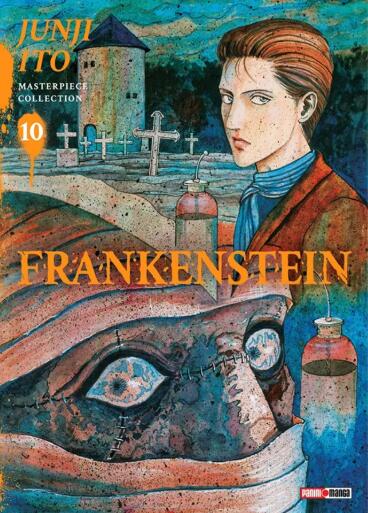
Frankenstein

Frankenstein

No ratings yet
Jun 1, 2026 · Spanish · Paperback (408 pages)
Add To Shelf

Rate this book


Export Book Journal

Reviews

Mary Shelley's chilling Gothic tale was conceived when she was only eighteen, living with her lover Percy Shelley on Lake Geneva.

June 15th 2026

El libro plantea temas profundos como la ética científica, que tan lejos es capaz de llegar el ser humano con tal de conseguir sus objetivos, lo inhumanos que podemos llegar a ser, la vida, la muerte y la naturaleza humana.En cuanto a Victor Frankenstein, era un joven algo egocentrico que jugo a ser Dios y cuando le da vida al monstruo, simplemente huye. Personalmente considero que el monstruo era muchísimo más humano que su creador, pero el rechazo y aislamiento que sufre por parte del mundo lo llevan a llenarse de odio. Lo otro que me sorprende es cómo el mounstruo es capaz de aprender a hablar, a expresarse y a leer sin que nadie le enseñara,Me sorprendió lo diferente que es la novela en comparación con las películas o dibujos animados (es demasiada la diferencia) y éstas no le hacen honra a esta obra maestra. Me gustó la escritura de Mary Shelley por su fluidez, riqueza de palabras, llena de matices fantasticos entremezclados con la realidad y antiguedad, que le da un toque apasionado.En resumen, el libro me encantó y pasó a mis favoritos, por lo que lo recomiendo a todos las personas que quieran iniciarse en el terror, en la ciencia ficcion o simplemente en la lectura. Puntuación: 5/5

February 27th 2026

Everyone knows Frankenstein and his creature; even those who had never read the novel. Such is the influence and power of this immortal classic! But what of the circumstances which had led to its writing in the first place? These are just as interesting as the novel itself!It all began, in fact, in 1815: The year without a summer. On account of a volcanic eruption in Mount Tamboro in Indonesia, tremendous clouds of volcanic ash glided upward into the atmosphere. Thus, for long months the sun was obscured, the temperatures decreased, the rain fell in torrents, and there had been disastrous crop failures in Europe, North America, and Asia. When Mary and Percy Shelley were travelling to Geneva on the following year, such was the state of nature which had greeted them in a gloomy veil. The awe-inspiring scenery made an everlasting impression upon Mary, and would later find its parallel in the setting of Frankenstein. In Geneva, the young couple were joined by Lord Byron and William Polidori. Mary's son and step-sister were also of the party. The small group were often confined indoors on account of the rain. But such a set of brilliant minds were not at a loss to find amusement. On one occasion, Lord Byron had suggested the writing of ghost tales as a pass time to his companions when a German collection of the same genre, entitled Fantasmagorina, had caught their fancy. For a time, the atmosphere at the villa was electrified. Lord Byron and Claire Clairmont led a one-sided relationship which bordered on frustration and unrequited love. Polidori was growing more enamored with Mary by the hour, and although she did not reciprocate his feelings, the situation drove Percy mad. The latter was intent upon galvanism and discussions about the secret of life and death. In this strange and intense mixture of emotions and incentives, Frankenstein was born in a dream. It had tortured its authoress one night with uncanny visions that gave her the main ideas of the novel and the need to write it down. Thus, Victor and his creature had come to life; an odd pair, for the man is a monster, and the monster is more human than most men. Abandonment, love, hatred, anger, jealousy, desperation, faith, rage; there is no end to the emotions which Mary had imbedded so beautifully in her work. The book is not idle amusement though it is very amusing. In its pages, you learn painful truths about yourself, about life, and about the rest of Mankind

February 17th 2026

I loved this book. The story is so intense and emotional. It’s not just about the monster, it’s about loneliness, mistakes, and wanting to be loved. Mary Shelley’s writing is amazing, and the way she shows emotions and makes you think is the perfect point of this book.

February 15th 2026

This review contains spoilers.

January 31st 2026

This book dives straight into the consequences of unchecked ambition, the ethics of creation, and the devastating loneliness of being made “wrong” by the world before you ever get a chance to exist. Victor Frankenstein is brilliant but catastrophically irresponsible — he wants the glory of creating life, but none of the accountability that comes with it. His cowardice is honestly more monstrous than the creature’s violence.And the creature? Shelley gives him a terrifying level of emotional depth. He’s articulate, perceptive, painfully self-aware. His tragedy isn’t that he’s ugly — it’s that he learns empathy first, and cruelty second. Watching him shift from yearning for connection to calculating vengeance is the kind of character arc modern authors still try and fail to replicate.What really carries the novel is its atmosphere. The isolation. The raw, bleak landscapes mirroring the absolute unraveling of two souls who can’t escape each other. Shelley understood existential dread before we had a name for it.Is the pacing Victorian? Obviously. Does it meander? Sure. But the ideas are sharp enough to cut through any slow patches, and the emotional intelligence on display is still leagues above most contemporary “dark academia” imitators.Bottom line: Frankenstein is a masterpiece because it doesn’t just tell a story — it forces you to confront what responsibility, compassion, and monstrosity actually mean. And every time you reread it, you walk away with a slightly different answer.

January 7th 2026

This book dives straight into the consequences of unchecked ambition, the ethics of creation, and the devastating loneliness of being made “wrong” by the world before you ever get a chance to exist. Victor Frankenstein is brilliant but catastrophically irresponsible — he wants the glory of creating life, but none of the accountability that comes with it. His cowardice is honestly more monstrous than the creature’s violence.And the creature? Shelley gives him a terrifying level of emotional depth. He’s articulate, perceptive, painfully self-aware. His tragedy isn’t that he’s ugly — it’s that he learns empathy first, and cruelty second. Watching him shift from yearning for connection to calculating vengeance is the kind of character arc modern authors still try and fail to replicate.What really carries the novel is its atmosphere. The isolation. The raw, bleak landscapes mirroring the absolute unraveling of two souls who can’t escape each other. Shelley understood existential dread before we had a name for it.Is the pacing Victorian? Obviously. Does it meander? Sure. But the ideas are sharp enough to cut through any slow patches, and the emotional intelligence on display is still leagues above most contemporary “dark academia” imitators.Bottom line: Frankenstein is a masterpiece because it doesn’t just tell a story — it forces you to confront what responsibility, compassion, and monstrosity actually mean. And every time you reread it, you walk away with a slightly different answer.

January 7th 2026

Me pareció un libro que vale la pena comprar y leer no solo por su corta extensión sino que por el valor histórico que se le atribuye. Por otro lado considero el final un poco decepcionante y un tanto dramático, aún sea considerando su época de elaboración y su enseñanza. Al ser 3 historias enmarcadas se puede volver confuso pero con un poco de concentración se logra avanzar la lectura correctamente. La historia se torna triste y perturbadora pero nos enseña la búsqueda del conocimiento y el cariño, aún cuando se presentan adversidades o rechazos ante lo desconocido y lo diferente.

December 28th 2024

This is absolutely dog shit. Horrible writing and the story was so boring and dragged out that you could skip whole chapters and you'd probably still be on the same plot point.This is a classic? Absolutely not

December 13th 2024
Add To Shelf

Rate this book


Export Book Journal