

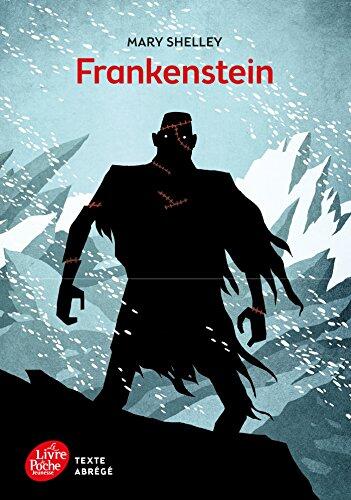
Description
In a world where the boundaries of science and morality blur, one man's pursuit of knowledge leads to catastrophic consequences. Mary W. Shelley's tale captivates readers by telling the story of Victor Frankenstein, a gifted yet troubled scientist who becomes obsessed with creating life. His quest culminates in the creation of a creature—an being that, despite its monstrous appearance, yearns for acceptance and understanding. As the creature's anguish unfolds, it raises profound questions about humanity, responsibility, and the ethical limits of scientific exploration.
Set against a backdrop of Gothic imagery and philosophical inquiry, Shelley's narrative explores the depths of ambition and the haunting repercussions of isolation. It delves into the complexities of creator and creation, reflecting the struggles of both the passionate inventor and the lonely being striving for companionship. This timeless classic examines the human condition, ultimately warning of the dangers when one seeks to play god without consideration of the consequences.
Set against a backdrop of Gothic imagery and philosophical inquiry, Shelley's narrative explores the depths of ambition and the haunting repercussions of isolation. It delves into the complexities of creator and creation, reflecting the struggles of both the passionate inventor and the lonely being striving for companionship. This timeless classic examines the human condition, ultimately warning of the dangers when one seeks to play god without consideration of the consequences.
Book Details
Format
Paperback
Pages
288 pages
Language
French
Published
Apr 15, 2015
Publisher
POCHE JEUNESSE
Editions
1617 editions
ISBN-10
2010120329
ISBN-13
9782010120329
Genres
Romance
Mystery
Science Fiction
Dystopian
Thriller & Suspense
Young Adult
Children’s
Biography
Action & Adventure
Autobiography & Memoir
Self-help
Religion & Spirituality
Science & Technology
History
Horror
Humor
Business & Economics
Philosophy
Fantasy
Manga
Graphic Novels
Poetry
Cookbooks
Travel
Health & Wellness
Art & Photography
Crime
Classics
Contemporary
Paranormal
Politics
Nature
Psychology
Reviews
View All

É impressionante pensar que este romance foi escrito por uma jovem de apenas dezoito anos. Shelley utiliza o horror não para assustar, mas para discutir responsabilidade, ambição e solidão. O verdadeiro monstro nunca é apenas a criatura, mas também o homem incapaz de assumir as consequências de seus próprios atos. A escrita mantém um tom melancólico que acompanha toda a narrativa, fazendo do livro muito mais uma tragédia do que uma história de terror. É um clássico que continua relevante sempre que a ciência avança mais rápido do que a ética.
August 2nd 2026

The tragedy of the monster and the wretchedness of the man.
July 18th 2026