Description
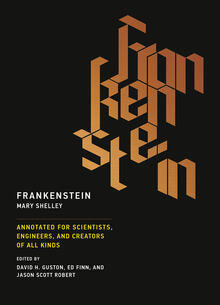
Mary Shelley's classic tale of ambition and consequence captures the tension between creation and responsibility, resonating across time and discipline. In this annotated edition, a group of scholars and experts guides readers through the intricate layers of the story, providing insights relevant to scientists, engineers, and all creators. The annotations strive to connect Shelley’s narrative to contemporary discussions on ethics, innovation, and the implications of scientific discovery.
The complex relationship between Victor Frankenstein and his monstrous creation serves as a cautionary tale about the boundaries of knowledge and the unforeseen repercussions of pushing those limits. The annotations emphasize these themes, enabling readers to appreciate how the central questions raised in the novel reflect our current technological and moral dilemmas.
As readers delve into the text, they encounter not only a gripping narrative but also a rich tapestry of commentary that bridges the gap between literature and science. This collaborative effort encourages a multidisciplinary approach to understanding the intricacies of creation, responsibility, and ethical considerations.
Ultimately, this annotated edition of Mary Shelley’s masterpiece invites reflection on the profound questions that have echoed since its publication. It challenges modern creators to consider the weight of their innovations, making it an essential read for anyone engaged in the quest for knowledge and the power to shape the future.
The complex relationship between Victor Frankenstein and his monstrous creation serves as a cautionary tale about the boundaries of knowledge and the unforeseen repercussions of pushing those limits. The annotations emphasize these themes, enabling readers to appreciate how the central questions raised in the novel reflect our current technological and moral dilemmas.
As readers delve into the text, they encounter not only a gripping narrative but also a rich tapestry of commentary that bridges the gap between literature and science. This collaborative effort encourages a multidisciplinary approach to understanding the intricacies of creation, responsibility, and ethical considerations.
Ultimately, this annotated edition of Mary Shelley’s masterpiece invites reflection on the profound questions that have echoed since its publication. It challenges modern creators to consider the weight of their innovations, making it an essential read for anyone engaged in the quest for knowledge and the power to shape the future.
Book Details
Format
Paperback
Pages
320 pages
Language
English
Published
May 5, 2017
Publisher
The MIT Press
Editions
1611 editions
ISBN-10
0262533286
ISBN-13
9780262533287
Genres
Romance
Mystery
Science Fiction
Dystopian
Thriller & Suspense
Young Adult
Children’s
Biography
Action & Adventure
Autobiography & Memoir
Self-help
Religion & Spirituality
Science & Technology
History
Horror
Humor
Business & Economics
Philosophy
Fantasy
Manga
Graphic Novels
Poetry
Cookbooks
Travel
Health & Wellness
Art & Photography
Crime
Classics
Contemporary
Paranormal
Politics
Nature
Psychology
Reviews
View All

É impressionante pensar que este romance foi escrito por uma jovem de apenas dezoito anos. Shelley utiliza o horror não para assustar, mas para discutir responsabilidade, ambição e solidão. O verdadeiro monstro nunca é apenas a criatura, mas também o homem incapaz de assumir as consequências de seus próprios atos. A escrita mantém um tom melancólico que acompanha toda a narrativa, fazendo do livro muito mais uma tragédia do que uma história de terror. É um clássico que continua relevante sempre que a ciência avança mais rápido do que a ética.
August 2nd 2026

The tragedy of the monster and the wretchedness of the man.
July 18th 2026