

Description
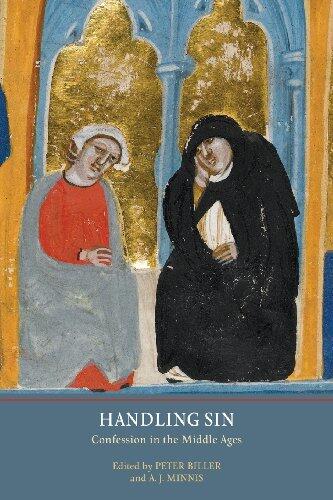
In exploring the intricate relationship between sin and confession during the Middle Ages, A J Minnis and Peter Biller delve into the theological and social contexts that shaped attitudes toward moral failings. Their analysis uncovers how confession was not solely a private matter but a pivotal ritual that influenced community dynamics and individual identities.
The authors draw on a wealth of historical sources to examine the evolution of confession, highlighting its significance across various social strata. They reveal how this sacred practice served as a means for individuals to reconcile with their sins, while also reflecting wider societal norms and expectations. Through their research, they illustrate the complexities surrounding the act of confession and its implications for the church's authority.
This comprehensive study offers a fresh perspective on medieval theology and social practice, inviting readers to consider the profound implications of confession on both personal and communal levels during a transformative period in history.
The authors draw on a wealth of historical sources to examine the evolution of confession, highlighting its significance across various social strata. They reveal how this sacred practice served as a means for individuals to reconcile with their sins, while also reflecting wider societal norms and expectations. Through their research, they illustrate the complexities surrounding the act of confession and its implications for the church's authority.
This comprehensive study offers a fresh perspective on medieval theology and social practice, inviting readers to consider the profound implications of confession on both personal and communal levels during a transformative period in history.
Book Details
Format
Paperback
Pages
232 pages
Language
English
Published
Oct 17, 2013
Publisher
York Medieval Press
Editions
2 editions
ISBN-10
1903153484
ISBN-13
9781903153482