

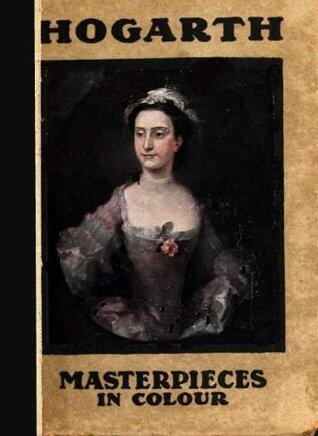
Description
Excerpt:
Whatever private admiration Sir Joshua may have had for Hogarth as a painter, there are few signs of it in his public utterances. Was it because “our late excellent Hogarth imprudently, or rather presumptuously, attempted the great historical style”? But Hogarth had some praise from the President in the Fourteenth Discourse, delivered on December 10, 1788, twenty-four years after Hogarth’s death. He is accredited with “extraordinary talents,” with “successful attention to the ridicule of life,” with the “invention of a new species of dramatic painting.” Lamb, dear Lamb, took up the cudgels for Hogarth even as a historical painter, arguing that “they have expression of some sort or other in them. ‘The Child
Moses before Pharaoh’s Daughter,’ for instance, which is more than can be said of Sir Joshua Reynolds’s ‘Repose in Egypt.’” Well, it does not matter either way. Neither Hogarth nor Sir Joshua live by their “excursions into the Holy Land.”
The point I wish to labour is that the admiration of Hogarth’s contemporaries was almost entirely for his “pictur’d morals,” not for his paintings. It was his engravings that made him known; few saw the paintings, and it was only when the paintings began to be studied long after his death, that his greatness was revealed. Selections of his works were brought together in 1814, 1817, and 1862. By the latter date connoisseurs acknowledged that Hogarth “was really a splendid painter.”
Who can be surprised that the “pictur’d moral” engravings were popular—“The Harlot’s Progress,” “The Rake’s Progress,” “Marriage à la Mode”? They were a new thing in British art. Here was the life of the day reproduced, accented stridently and humorously. The people were interested, bought the engravings, found their satire amusing, and remained unregenerate. The pirates copied them, Hogarth fought the pirates, and he found that the success of “these pictures on canvas similar to representations on the stage,” enabled him to meet the expenses of his family, which portraits and “Conversation Pieces” had failed to do. It was the engravings that were popular, that sold. The pictures themselves brought him little fame and little money. It was six years before the “Marriage à la Mode” series found a purchaser. In 1751, Mr. Lane of Hillingdon bought the set for one hundred and twenty pounds at the queer sale devised by Hogarth, one of the stipulations being that no dealers in pictures were to be admitted as bidders. There was no crush. Only three people were present at the sale—Hogarth, Dr. James Parsons, and Mr Lane, the buyer.
Whatever private admiration Sir Joshua may have had for Hogarth as a painter, there are few signs of it in his public utterances. Was it because “our late excellent Hogarth imprudently, or rather presumptuously, attempted the great historical style”? But Hogarth had some praise from the President in the Fourteenth Discourse, delivered on December 10, 1788, twenty-four years after Hogarth’s death. He is accredited with “extraordinary talents,” with “successful attention to the ridicule of life,” with the “invention of a new species of dramatic painting.” Lamb, dear Lamb, took up the cudgels for Hogarth even as a historical painter, arguing that “they have expression of some sort or other in them. ‘The Child
Moses before Pharaoh’s Daughter,’ for instance, which is more than can be said of Sir Joshua Reynolds’s ‘Repose in Egypt.’” Well, it does not matter either way. Neither Hogarth nor Sir Joshua live by their “excursions into the Holy Land.”
The point I wish to labour is that the admiration of Hogarth’s contemporaries was almost entirely for his “pictur’d morals,” not for his paintings. It was his engravings that made him known; few saw the paintings, and it was only when the paintings began to be studied long after his death, that his greatness was revealed. Selections of his works were brought together in 1814, 1817, and 1862. By the latter date connoisseurs acknowledged that Hogarth “was really a splendid painter.”
Who can be surprised that the “pictur’d moral” engravings were popular—“The Harlot’s Progress,” “The Rake’s Progress,” “Marriage à la Mode”? They were a new thing in British art. Here was the life of the day reproduced, accented stridently and humorously. The people were interested, bought the engravings, found their satire amusing, and remained unregenerate. The pirates copied them, Hogarth fought the pirates, and he found that the success of “these pictures on canvas similar to representations on the stage,” enabled him to meet the expenses of his family, which portraits and “Conversation Pieces” had failed to do. It was the engravings that were popular, that sold. The pictures themselves brought him little fame and little money. It was six years before the “Marriage à la Mode” series found a purchaser. In 1751, Mr. Lane of Hillingdon bought the set for one hundred and twenty pounds at the queer sale devised by Hogarth, one of the stipulations being that no dealers in pictures were to be admitted as bidders. There was no crush. Only three people were present at the sale—Hogarth, Dr. James Parsons, and Mr Lane, the buyer.
Book Details
Format
Kindle
Pages
29 pages
Language
English
Published
Jan 11, 2013