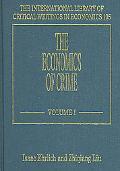
Description
In the aftermath of the September 11 attacks, the United Kingdom found itself at a crossroads, grappling with new dimensions of security and intelligence that would define its approach to the so-called 'war on terror.' This examination delves deep into the complexities surrounding the UK's response during this critical period. Through a thorough analysis, the authors provide insights into how policy changes were mandated by both domestic and global pressures, ultimately reshaping the nation's security landscape.
The narrative unfolds by scrutinizing the evolving discourse on terrorism and the implications of heightened security measures. The authors articulate the transformation in policing strategies and intelligence-gathering practices, laying bare the challenges faced by law enforcement in balancing civil liberties with the imperative of national security. They raise important questions about accountability and oversight, particularly in the face of controversial legislation implemented in the name of public safety.
Through meticulous research, the authors highlight key events and decisions that marked this era, offering a nuanced view of the interconnectedness of intelligence operations and policing efforts. They draw on real case studies to illustrate the practical realities on the ground, revealing both successes and shortcomings in the fight against terrorism.
Ultimately, this work serves as a critical reflection on the implications of the UK’s post-9/11 security measures, providing readers with a comprehensive understanding of the lessons learned and the ongoing debates regarding security, privacy, and the role of the state in protecting its citizens.
Book Details
Format
Kindle
Pages
273 pages
Language
English
Published
Jun 30, 2014
Publisher
Not Avail
Editions
2 editions
ISBN-10
0230583547
ISBN-13
9780230583542