

Description
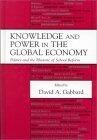
The book delves into the complex interplay between education, policy, and power in a rapidly evolving global economy. It critically examines how neoliberal and neoconservative ideologies shape school reform initiatives, ultimately impacting the ways knowledge is produced and disseminated. Through a comprehensive analysis, the authors reveal the implications these reforms have on various educational practices, particularly for marginalized communities.
Gabbard, Ladson-Billings, and Briscoe argue that the reforms often prioritize standardized outcomes over holistic educational experiences, exacerbating existing inequalities. They challenge readers to reconsider the definitions of success and knowledge within academic settings, pushing for a reevaluation of educational priorities that align with social justice. This thought-provoking examination invites educators, policymakers, and scholars to reflect on the transformative potential of education in the face of systemic challenges.
Gabbard, Ladson-Billings, and Briscoe argue that the reforms often prioritize standardized outcomes over holistic educational experiences, exacerbating existing inequalities. They challenge readers to reconsider the definitions of success and knowledge within academic settings, pushing for a reevaluation of educational priorities that align with social justice. This thought-provoking examination invites educators, policymakers, and scholars to reflect on the transformative potential of education in the face of systemic challenges.
Book Details
Format
Hardcover
Pages
456 pages
Language
English
Published
Sep 1, 1999
Publisher
Routledge
ISBN-10
0805824332
ISBN-13
9780805824339