

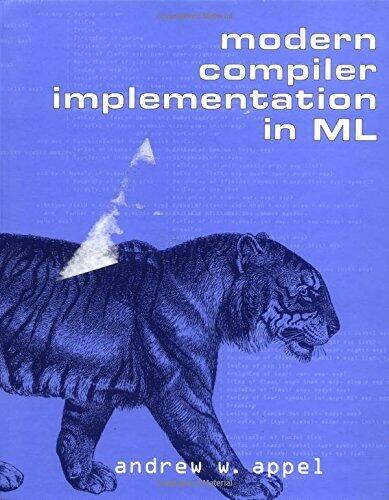
Description
In a world where technology evolves rapidly, the intricacies of compiler design are essential for anyone looking to deepen their understanding of programming languages and their implementation. This comprehensive guide delves into the principles of modern compiler construction through the lens of ML, an influential programming language. It explores the various stages of compilation, from lexical analysis to code generation, presenting each concept clearly and systematically.
Readers are introduced to a variety of algorithms and techniques that underpin compiler functionality, offering practical examples that enhance conceptual understanding. The integration of ML allows for the practical application of the principles discussed, showcasing how theoretical concepts translate into real-world software.
With an engaging narrative and insightful explanations, this work serves not only as an educational resource but also as a reference for professionals in the field. The author's expertise in the subject matter shines through, making complex ideas accessible and encouraging readers to experiment and innovate in their own projects.
Readers are introduced to a variety of algorithms and techniques that underpin compiler functionality, offering practical examples that enhance conceptual understanding. The integration of ML allows for the practical application of the principles discussed, showcasing how theoretical concepts translate into real-world software.
With an engaging narrative and insightful explanations, this work serves not only as an educational resource but also as a reference for professionals in the field. The author's expertise in the subject matter shines through, making complex ideas accessible and encouraging readers to experiment and innovate in their own projects.
Book Details
Format
Hardcover
Language
English
Published
Jan 1, 1803
Publisher
Cambridge University Press
Editions
2 editions