

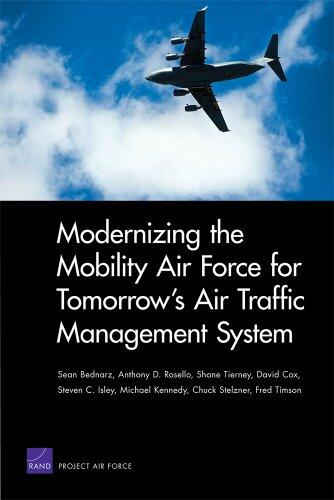
Description
In a rapidly evolving technological landscape, the Mobility Air Force stands at a crucial juncture, grappling with the complexities of modern air traffic management. The authors delve into the multifaceted challenges that this branch of the military faces, addressing the urgent need for modernization strategies that align with contemporary demands. Their collective expertise offers valuable insights into the intersection of military operations and civil aviation innovations, emphasizing the importance of adaptability for future success.
The text explores innovative solutions that leverage advanced technologies to enhance operational efficiency and safety. Each chapter brings forth a unique perspective on how to integrate new systems and practices within the existing framework, advocating for a cohesive approach to air traffic management that merges both military and civilian protocols. The authors' collaborative narratives highlight the potential for a robust, modernized mobility force capable of responding to dynamic air traffic scenarios.
As the Mobility Air Force prepares for the future, this comprehensive examination serves as both a roadmap and a blueprint for transformation. Through their articulate analysis, the authors present compelling arguments for adopting progressive methodologies that will not only optimize current operations but also anticipate the needs of tomorrow's airspace architecture. The urgency of their message resonates, urging stakeholders to embrace change and enhance the effectiveness of aerial mobility in an age of unprecedented complexity.
The text explores innovative solutions that leverage advanced technologies to enhance operational efficiency and safety. Each chapter brings forth a unique perspective on how to integrate new systems and practices within the existing framework, advocating for a cohesive approach to air traffic management that merges both military and civilian protocols. The authors' collaborative narratives highlight the potential for a robust, modernized mobility force capable of responding to dynamic air traffic scenarios.
As the Mobility Air Force prepares for the future, this comprehensive examination serves as both a roadmap and a blueprint for transformation. Through their articulate analysis, the authors present compelling arguments for adopting progressive methodologies that will not only optimize current operations but also anticipate the needs of tomorrow's airspace architecture. The urgency of their message resonates, urging stakeholders to embrace change and enhance the effectiveness of aerial mobility in an age of unprecedented complexity.
Book Details
Format
Paperback
Pages
112 pages
Language
English
Published
Jan 15, 2013
Publisher
RAND Corporation
ISBN-10
0833070622
ISBN-13
9780833070623
Genres
Business & Economics