Book Details
Format
Paperback
Pages
64
Language
English
Published
Jan 1, 1991
Publisher
North Carolina Museum of Art
Edition
First Edition
ISBN-10
0882599631
ISBN-13
9780882599632
Description
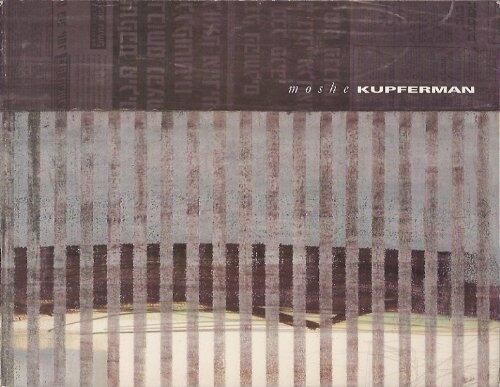
This work presents an evocative exploration of Moshe Kupferman's artistic journey, navigating the profound themes of memory and oblivion. Through the lens of both the artist’s work and the historical contexts that shaped him, the reader is invited into a rich tapestry of reflections that meld personal experience with larger cultural narratives.
John W. Coffey delves into Kupferman's life, detailing how the aftermath of war and trauma informed his artistic expression, making his paintings a form of both remembrance and resistance. Yona Fischer's contributions add depth to this analysis, offering insights that enhance the understanding of Kupferman’s unique position as an artist grappling with identity in the wake of devastation.
The book illustrates not only Kupferman's distinctive visual language but also contemplates the role of art in confronting the shadows of history and the impermanence of human experience. As the narrative unfolds, readers find themselves pondering their own relationship to memory and ancestry, making this a resonant read for art lovers and historians alike.
Overall, it serves as a poignant reminder of the enduring power of art to capture the complexities of human existence and the ongoing dialogue between what is remembered and what is lost.
John W. Coffey delves into Kupferman's life, detailing how the aftermath of war and trauma informed his artistic expression, making his paintings a form of both remembrance and resistance. Yona Fischer's contributions add depth to this analysis, offering insights that enhance the understanding of Kupferman’s unique position as an artist grappling with identity in the wake of devastation.
The book illustrates not only Kupferman's distinctive visual language but also contemplates the role of art in confronting the shadows of history and the impermanence of human experience. As the narrative unfolds, readers find themselves pondering their own relationship to memory and ancestry, making this a resonant read for art lovers and historians alike.
Overall, it serves as a poignant reminder of the enduring power of art to capture the complexities of human existence and the ongoing dialogue between what is remembered and what is lost.
Genres
Art & Photography