

Description
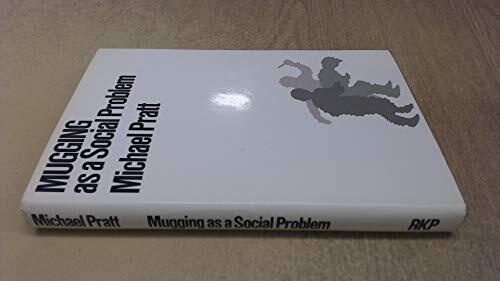
Michael Pratt delves into the pervasive issue of mugging, examining its implications as a significant social problem. The book takes an analytical approach, dissecting the various factors that contribute to this form of crime. Pratt explores the psychological, economic, and societal influences that lead individuals to commit such acts, providing readers with a comprehensive understanding of the crime's roots.
Through careful research and a wide-ranging discussion, Pratt sheds light on the impact of mugging on communities and individuals alike. He examines the fears and trauma associated with being a victim, as well as the societal responses to such crimes. His insights offer a deepened awareness of how mugging affects not just the direct victims but also the broader societal fabric.
With a well-organized index and a detailed bibliography, readers can further explore the subjects presented throughout the work. The text stands as a crucial resource for those interested in crime, sociology, and public policy, prompting a necessary dialogue on how society can address and mitigate this growing concern.
Through careful research and a wide-ranging discussion, Pratt sheds light on the impact of mugging on communities and individuals alike. He examines the fears and trauma associated with being a victim, as well as the societal responses to such crimes. His insights offer a deepened awareness of how mugging affects not just the direct victims but also the broader societal fabric.
With a well-organized index and a detailed bibliography, readers can further explore the subjects presented throughout the work. The text stands as a crucial resource for those interested in crime, sociology, and public policy, prompting a necessary dialogue on how society can address and mitigate this growing concern.
Book Details
Format
Hardcover
Pages
236 pages
Language
English
Published
Jan 1, 1980
Publisher
Routledge and Kegan Paul
Edition
First Edition
ISBN-10
0710005644
ISBN-13
9780710005649