

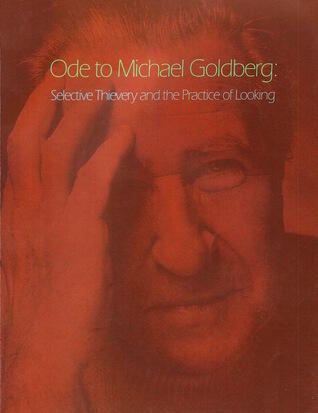
Book Details
Format
Paperback
Language
English
Published
Jan 1, 2008
Publisher
University at Buffalo Anderson Gallery
ISBN-10
0974893285
ISBN-13
9780974893280
Description
In this engaging exploration, the authors delve into the multifaceted legacy of Michael Goldberg, showcasing his distinctive contributions to the art world. The catalogue serves as a comprehensive companion to the exhibition, capturing not just the visual impact of Goldberg's work, but also the thematic undercurrents that define his artistic journey. Through thoughtful essays and vivid imagery, readers are invited to reassess the act of looking itself, prompting a dialogue on perception and appreciation in contemporary art.
Amber Smith and Klaus Kertess bring their unique perspectives to the table, drawing connections between Goldberg's oeuvre and the broader currents of art history. They illuminate how his selective thievery—borrowing from various styles and influences—creates a rich tapestry of visual experiences. This practice compels observers to engage deeply with not just the artwork but also the environment surrounding it, reinforcing the notion that art is an active exchange between creator and viewer.
As the catalogue unfolds, it becomes an invaluable resource for both art enthusiasts and scholars alike, providing insight into Goldberg’s philosophy and technique. It stands as a tribute to his enduring influence, encouraging audiences to look beyond the surface and appreciate the complexities of visual expression. In doing so, it highlights the importance of intentional observation and the joy found in the act of looking.
Amber Smith and Klaus Kertess bring their unique perspectives to the table, drawing connections between Goldberg's oeuvre and the broader currents of art history. They illuminate how his selective thievery—borrowing from various styles and influences—creates a rich tapestry of visual experiences. This practice compels observers to engage deeply with not just the artwork but also the environment surrounding it, reinforcing the notion that art is an active exchange between creator and viewer.
As the catalogue unfolds, it becomes an invaluable resource for both art enthusiasts and scholars alike, providing insight into Goldberg’s philosophy and technique. It stands as a tribute to his enduring influence, encouraging audiences to look beyond the surface and appreciate the complexities of visual expression. In doing so, it highlights the importance of intentional observation and the joy found in the act of looking.