Description
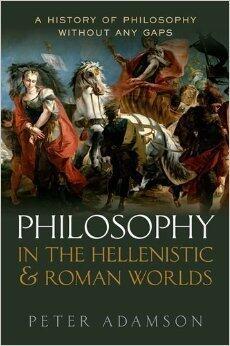
Peter S. Adamson explores the intricate tapestry of philosophical thought during the Hellenistic and Roman periods, illuminating the key ideas and figures that shaped intellectual discourse. He delves into the evolution of philosophy, tracing its roots from the classical traditions established by earlier thinkers and highlighting the transformative impact of Hellenistic schools of thought.
The narrative takes readers through the complexities of Stoicism, Epicureanism, and Skepticism, revealing how these schools offered unique responses to the challenges of their time. Adamson masterfully connects the philosophical developments to broader cultural, political, and social shifts, providing a comprehensive picture of the era's intellectual landscape.
As the work progresses, it emphasizes the transition to Roman thought, showcasing influential figures such as Cicero and Seneca. Adamson’s analysis offers insights into how these philosophers integrated and adapted Hellenistic ideas within the context of Roman society, enriching the philosophical dialogue that would influence future generations.
The book serves as a vital resource for anyone seeking to understand the foundations of Western philosophy. It invites readers to ponder the enduring questions raised by these thinkers, illustrating how their legacies continue to resonate in contemporary philosophical discourse. Adamson’s engaging prose and rigorous scholarship make this examination not only informative but also intellectually stimulating.
The narrative takes readers through the complexities of Stoicism, Epicureanism, and Skepticism, revealing how these schools offered unique responses to the challenges of their time. Adamson masterfully connects the philosophical developments to broader cultural, political, and social shifts, providing a comprehensive picture of the era's intellectual landscape.
As the work progresses, it emphasizes the transition to Roman thought, showcasing influential figures such as Cicero and Seneca. Adamson’s analysis offers insights into how these philosophers integrated and adapted Hellenistic ideas within the context of Roman society, enriching the philosophical dialogue that would influence future generations.
The book serves as a vital resource for anyone seeking to understand the foundations of Western philosophy. It invites readers to ponder the enduring questions raised by these thinkers, illustrating how their legacies continue to resonate in contemporary philosophical discourse. Adamson’s engaging prose and rigorous scholarship make this examination not only informative but also intellectually stimulating.
Book Details
Format
Hardcover
Pages
428 pages
Language
English
Published
Oct 1, 2015
Publisher
Oxford University Press
Editions
2 editions
ISBN-10
0198728026
ISBN-13
9780198728023
Genres
Science & Technology
History
Philosophy