

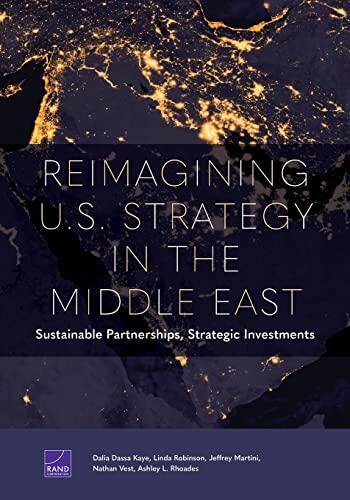
Description
In a shifting geopolitical landscape, traditional military approaches to U.S. strategy in the Middle East have often proved insufficient. This thorough examination invites readers to reconsider the paradigms that have dominated American foreign policy in the region. The authors argue for a transition from an overreliance on military power to a more nuanced approach that emphasizes sustainable partnerships and strategic investments. By weaving together insights from experts, they present a compelling case for integrating civilian tools with military capabilities to achieve long-term stability and mutual benefit.
Through detailed analysis, the authors shed light on the vital role of economic development, diplomatic engagement, and collaborative efforts in fostering resilience within Middle Eastern societies. They challenge conventional wisdom, urging policymakers to adopt a broader perspective that prioritizes local needs and regional dynamics. Ultimately, this work serves as a crucial resource for understanding how the United States can effectively navigate the complexities of the Middle East while fostering meaningful relationships and positive outcomes.
Through detailed analysis, the authors shed light on the vital role of economic development, diplomatic engagement, and collaborative efforts in fostering resilience within Middle Eastern societies. They challenge conventional wisdom, urging policymakers to adopt a broader perspective that prioritizes local needs and regional dynamics. Ultimately, this work serves as a crucial resource for understanding how the United States can effectively navigate the complexities of the Middle East while fostering meaningful relationships and positive outcomes.
Book Details
Format
Paperback
Pages
190 pages
Language
English
Published
Apr 15, 2021
Publisher
RAND Corporation
ISBN-10
1977406629
ISBN-13
9781977406620