Description
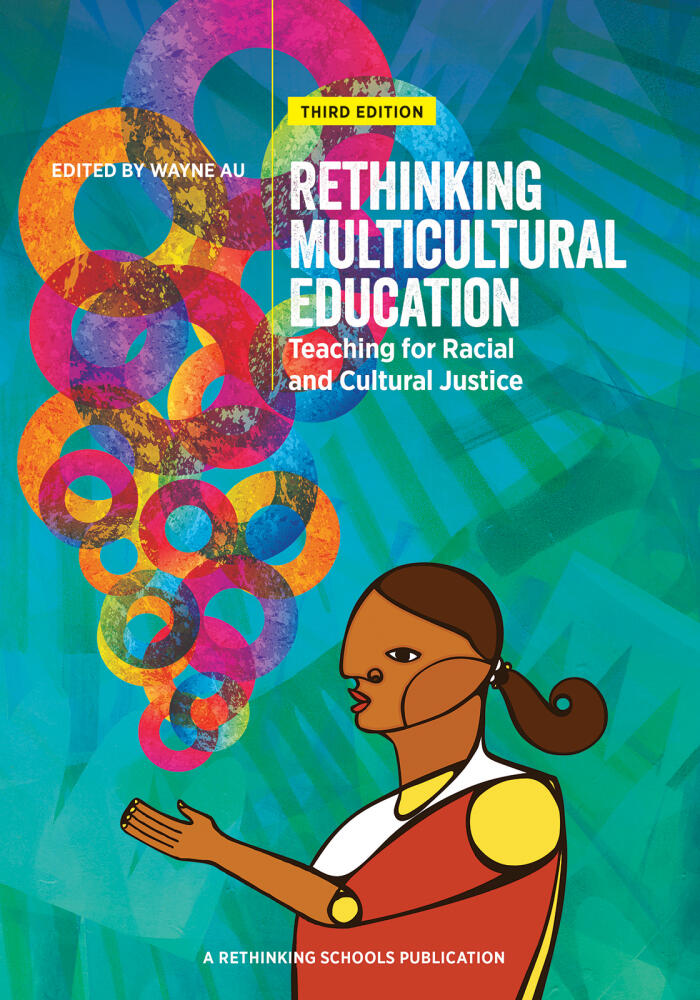
This work delves into the complexities of multicultural education, inviting readers to reconsider the frameworks that shape our understanding of racial and cultural justice within educational systems. The author adeptly navigates the contemporary landscape marked by increasing censorship and politically charged controversies surrounding race in education. As schools grapple with the implications of these issues, the text serves as a clarion call for educators, policymakers, and activists to engage actively in the fight against systemic racism.
Unearthing the historical context of multicultural education, the narrative argues for a holistic approach to teaching that transcends mere representation. It challenges educators to foster environments that not only acknowledge diversity but actively promote equity and social justice. Wayne Au emphasizes the necessity for critical pedagogy that empowers students to interrogate their identities and societal structures.
In a world where educational practices are often dictated by narrow political agendas, this exploration encourages practitioners to embrace transformative methods. By prioritizing racial and cultural justice, educators can cultivate a curriculum that reflects the richness of various experiences and perspectives.
As the dialogue around race in education continues to evolve, the author underscores the importance of resilience and activism in teaching. This thought-provoking work is essential for anyone committed to reimagining education as a means to advocate for a more just society.
Unearthing the historical context of multicultural education, the narrative argues for a holistic approach to teaching that transcends mere representation. It challenges educators to foster environments that not only acknowledge diversity but actively promote equity and social justice. Wayne Au emphasizes the necessity for critical pedagogy that empowers students to interrogate their identities and societal structures.
In a world where educational practices are often dictated by narrow political agendas, this exploration encourages practitioners to embrace transformative methods. By prioritizing racial and cultural justice, educators can cultivate a curriculum that reflects the richness of various experiences and perspectives.
As the dialogue around race in education continues to evolve, the author underscores the importance of resilience and activism in teaching. This thought-provoking work is essential for anyone committed to reimagining education as a means to advocate for a more just society.
Book Details
Format
Paperback
Language
English
Published
Dec 4, 2023
Publisher
Rethinking Schools
ISBN-10
0942961404
ISBN-13
9780942961409