

Book Details
Format
Hardcover
Pages
312
Language
English
Published
Jul 30, 2010
Publisher
Camden House
ISBN-10
1571134379
ISBN-13
9781571134370
Description
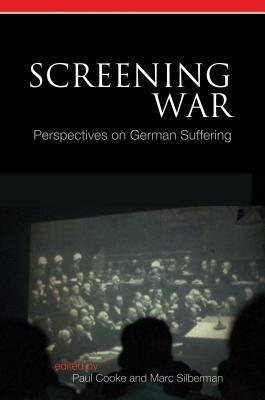
This insightful exploration delves into the complexities of German cinema's portrayal of suffering and victimhood during the Second World War. A collaborative effort by several knowledgeable authors, the work intricately examines how films have shaped and reshaped narratives surrounding German experiences in this tumultuous period. The analysis encompasses a range of perspectives, reflecting on historical, cultural, and emotional dimensions.
As the authors engage with various cinematic texts, they illuminate how representations of victimhood can both challenge and reinforce national identities. With keen observations and a critical lens, they investigate the ethical implications of depicting suffering in film, raising questions about memory, trauma, and accountability. Each chapter contributes to a deeper understanding of how these narratives resonate within contemporary discussions about guilt, legacy, and reconciliation.
Through careful scholarly examination, this collection not only offers a critical perspective on its subject matter but also invites readers to reflect on the broader implications of storytelling in post-war Germany. Ultimately, it serves as a thought-provoking inquiry into how cinema continues to influence and negotiate historical memory and identity in the modern age.
As the authors engage with various cinematic texts, they illuminate how representations of victimhood can both challenge and reinforce national identities. With keen observations and a critical lens, they investigate the ethical implications of depicting suffering in film, raising questions about memory, trauma, and accountability. Each chapter contributes to a deeper understanding of how these narratives resonate within contemporary discussions about guilt, legacy, and reconciliation.
Through careful scholarly examination, this collection not only offers a critical perspective on its subject matter but also invites readers to reflect on the broader implications of storytelling in post-war Germany. Ultimately, it serves as a thought-provoking inquiry into how cinema continues to influence and negotiate historical memory and identity in the modern age.
Genres
Action & Adventure
Contemporary