

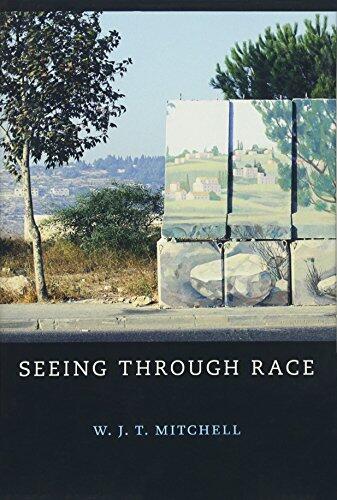
Book Details
Format
Hardcover
Pages
248
Language
English
Published
May 29, 2012
Publisher
Harvard University Press
Edition
Illustrated
ISBN-10
0674059816
ISBN-13
9780674059818
Description
W. J. T. Mitchell presents a compelling argument against the notion of a color-blind, post-racial society in his insightful exploration of race and perception. Drawing on historical and contemporary examples, he invites readers to critically examine the ways in which race shapes identities, experiences, and societal structures. By rejecting the idea that ignoring race can lead to equality, he emphasizes the significance of acknowledging and engaging with racial differences.
Mitchell's work delves deep into the complexities surrounding racial representation, exploring how visual culture and language interact to construct our understanding of race. He contemplates the implications of viewing race as merely a social construct, illustrating how this perspective can lead to oversimplifications of lived experiences. Instead, he advocates for a nuanced discourse that recognizes the inherent value in the rich diversity of racial identities.
Through thought-provoking analysis, the author challenges conventional wisdom and encourages a more informed dialogue on race. His reflective insights prompt readers to reconsider their own perceptions and the influence of cultural narratives on their understanding of racial issues. In doing so, Mitchell not only critiques the limitations of a post-racial paradigm but also illuminates pathways toward a more inclusive and equitable society.
With a blend of intellectual rigor and accessible prose, this work serves as a vital contribution to ongoing conversations about race in contemporary society. Mitchell's thought leadership urges readers to engage with the complexities of race rather than shy away from them, advocating for a future where racial understanding is integral to social justice.
Mitchell's work delves deep into the complexities surrounding racial representation, exploring how visual culture and language interact to construct our understanding of race. He contemplates the implications of viewing race as merely a social construct, illustrating how this perspective can lead to oversimplifications of lived experiences. Instead, he advocates for a nuanced discourse that recognizes the inherent value in the rich diversity of racial identities.
Through thought-provoking analysis, the author challenges conventional wisdom and encourages a more informed dialogue on race. His reflective insights prompt readers to reconsider their own perceptions and the influence of cultural narratives on their understanding of racial issues. In doing so, Mitchell not only critiques the limitations of a post-racial paradigm but also illuminates pathways toward a more inclusive and equitable society.
With a blend of intellectual rigor and accessible prose, this work serves as a vital contribution to ongoing conversations about race in contemporary society. Mitchell's thought leadership urges readers to engage with the complexities of race rather than shy away from them, advocating for a future where racial understanding is integral to social justice.
Genres
Politics