

Description
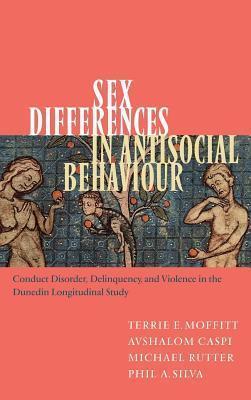
Why are females rarely antisocial and males antisocial so often? This key question is addressed in a fresh approach to sex differences in the causes, course and consequences of antisocial behaviour. The book presents all-new findings from a landmark investigation of 1,000 males and females studied from ages 3 to 21 years. It shows that young people develop antisocial behaviour for two main reasons. One form of antisocial behaviour is a neurodevelopmental disorder afflicting males, with low prevalence in the population, early childhood onset and subsequent persistence. The other form of antisocial behaviour, afflicting females as well as males, is common and emerges in the context of social relationships. The book offers insights about diagnosis and measurement, the importance of puberty, the problem of partner violence and the nature of intergenerational transmission. It puts forward a new agenda for research about both neurodevelopmental and social influences on antisocial behaviour.
Book Details
Format
eBook
Pages
278 pages
Language
English
Published
Sep 27, 2001
Publisher
Cambridge University Press
Editions
4 editions
ISBN-10
1280433426
ISBN-13
9781280433429