

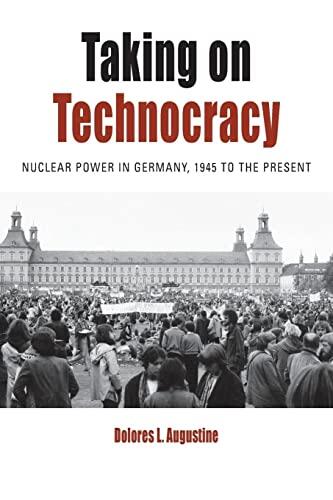
Book Details
Format
Paperback
Pages
304
Language
English
Published
Sep 17, 2021
Publisher
Berghahn Books
Edition
1
ISBN-10
1800731981
ISBN-13
9781800731981
Description
Dolores L. Augustine’s examination of nuclear power in Germany offers a compelling narrative that spans nearly eight decades, tracing the intricate interplay between technological advancements and societal responses. From the ashes of World War II, Germany grappled with the promise and peril of nuclear energy, reflecting a broader dialogue about progress, safety, and public trust.
The narrative delves into the social movements that arose alongside nuclear projects, highlighting the robust protests and cultural dynamics that shaped public opinion. Through detailed case studies and a rich array of primary sources, it paints a vivid picture of the citizens’ efforts to hold technocratic power accountable to the values and concerns of society.
The book also presents an evolving landscape where scientific discourse meets grassroots activism, showcasing how various stakeholders—including government officials, scientists, and citizens—navigated the complexities of energy policy. It underscores the tensions between ambition and caution in a country redefining its identity within the context of global energy debates.
By weaving together historical events with cultural expressions, Augustine illuminates how the narrative of nuclear power becomes a microcosm for larger discussions about democracy, safety, and the role of civil society in shaping technological outcomes. This work serves as an essential contribution to understanding the enduring impact of energy policy on societal structures and values.
The narrative delves into the social movements that arose alongside nuclear projects, highlighting the robust protests and cultural dynamics that shaped public opinion. Through detailed case studies and a rich array of primary sources, it paints a vivid picture of the citizens’ efforts to hold technocratic power accountable to the values and concerns of society.
The book also presents an evolving landscape where scientific discourse meets grassroots activism, showcasing how various stakeholders—including government officials, scientists, and citizens—navigated the complexities of energy policy. It underscores the tensions between ambition and caution in a country redefining its identity within the context of global energy debates.
By weaving together historical events with cultural expressions, Augustine illuminates how the narrative of nuclear power becomes a microcosm for larger discussions about democracy, safety, and the role of civil society in shaping technological outcomes. This work serves as an essential contribution to understanding the enduring impact of energy policy on societal structures and values.
Genres
Science & Technology
History