

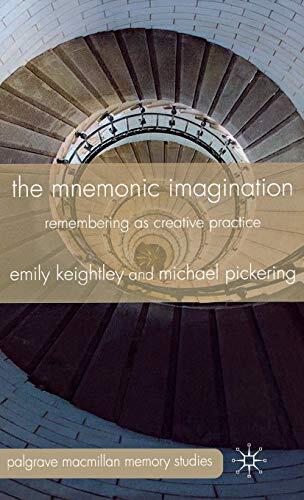
Description
In this compelling exploration of memory, E. Keightley and M. Pickering delve into the intricate relationship between mnemonic practice and creativity. The authors argue that remembering is not merely a passive act but an active, imaginative process that shapes how individuals engage with their pasts and envision their futures. Through various case studies and theoretical frameworks, they highlight the significance of creative methodologies in enhancing recall and understanding.
Keightley and Pickering shed light on how mnemonic techniques can serve as artistic tools, bridging the gap between memory retrieval and creative expression. They offer insights into the cognitive processes involved in remembering, illustrating how the act of creation can foster deeper connections to one’s personal history and cultural heritage. The authors emphasize that memories are not fixed; instead, they are fluid, capable of transformation through innovative practices.
The narrative is woven with rich examples that showcase how individuals and communities utilize their imaginative faculties to reinterpret and reconstruct memories. This book challenges conventional notions of memory, inviting readers to reconsider how they perceive and interact with their mental archives. Ultimately, it presents memory as a dynamic practice that fuels creativity and self-discovery.
Readers are encouraged to reflect on their own strategies for remembering and to embrace the potential of imagination in shaping their narratives. This thought-provoking work stands as a testament to the power of mnemonic creativity, urging a reevaluation of how memory is understood and utilized in both personal and collective contexts.
Keightley and Pickering shed light on how mnemonic techniques can serve as artistic tools, bridging the gap between memory retrieval and creative expression. They offer insights into the cognitive processes involved in remembering, illustrating how the act of creation can foster deeper connections to one’s personal history and cultural heritage. The authors emphasize that memories are not fixed; instead, they are fluid, capable of transformation through innovative practices.
The narrative is woven with rich examples that showcase how individuals and communities utilize their imaginative faculties to reinterpret and reconstruct memories. This book challenges conventional notions of memory, inviting readers to reconsider how they perceive and interact with their mental archives. Ultimately, it presents memory as a dynamic practice that fuels creativity and self-discovery.
Readers are encouraged to reflect on their own strategies for remembering and to embrace the potential of imagination in shaping their narratives. This thought-provoking work stands as a testament to the power of mnemonic creativity, urging a reevaluation of how memory is understood and utilized in both personal and collective contexts.
Book Details
Format
Hardcover
Pages
247 pages
Language
English
Published
Jul 31, 2012
Publisher
Palgrave Macmillan
Edition
2012
Editions
3 editions
ISBN-10
0230243363
ISBN-13
9780230243361