Description
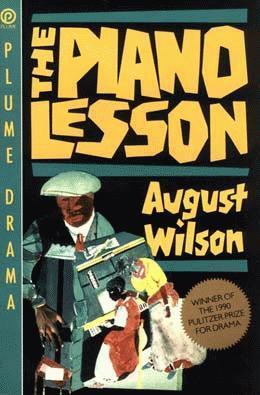
August Wilson weaves a poignant tale that delves deep into the complexities of African American history through the lens of a family drama. Set against the backdrop of 1930s Pittsburgh, the narrative centers on the Charles family and their struggle over a prized family heirloom—the piano. This instrument stands as a powerful symbol, representing not just artistic aspirations but the weight of heritage and the legacy of ancestors.
At the heart of the play are the conflicting desires of each character. On one side, there is the brother who wishes to sell the piano to improve their financial situation, while his sister believes preserving the piano is crucial for honoring their past. This familial tension exudes a rich emotional depth, highlighting the broader themes of memory, identity, and cultural heritage within the African American experience.
As the story unfolds, it becomes clear that the piano is more than an object; it embodies the struggles and dreams of a people tied to a history of oppression and resilience. The characters are driven by their passions and beliefs, often clashing in their visions for the future, thereby illustrating the intricate dynamics that exist within families facing generational trauma.
Through masterful storytelling, Wilson captures the often-unspoken stories that shape individual identities and collective memory. The work resonates as a powerful reminder of the importance of heritage, the weight of decisions that echo through generations, and the ongoing quest for understanding and reconciliation in a changing world.
At the heart of the play are the conflicting desires of each character. On one side, there is the brother who wishes to sell the piano to improve their financial situation, while his sister believes preserving the piano is crucial for honoring their past. This familial tension exudes a rich emotional depth, highlighting the broader themes of memory, identity, and cultural heritage within the African American experience.
As the story unfolds, it becomes clear that the piano is more than an object; it embodies the struggles and dreams of a people tied to a history of oppression and resilience. The characters are driven by their passions and beliefs, often clashing in their visions for the future, thereby illustrating the intricate dynamics that exist within families facing generational trauma.
Through masterful storytelling, Wilson captures the often-unspoken stories that shape individual identities and collective memory. The work resonates as a powerful reminder of the importance of heritage, the weight of decisions that echo through generations, and the ongoing quest for understanding and reconciliation in a changing world.
Book Details
Format
Paperback
Pages
108 pages
Language
English
Published
Dec 1, 1990
Publisher
Plume
Editions
7 editions
ISBN-10
0452265347
ISBN-13
9780452265349
Genres
History