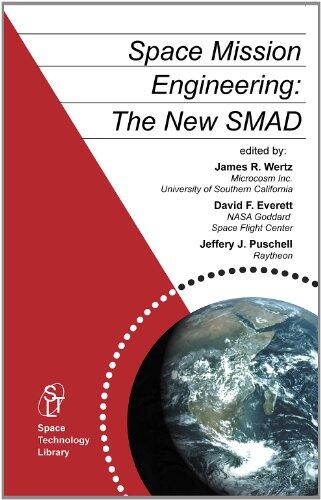
Description
Managing software projects has always been a challenge, often requiring a balance of technical understanding and leadership skills. In this comprehensive guide, seasoned experts Mark Christensen and Richard H. Thayer delve into the intricate world of software engineering, unearthing the best practices that can help project managers navigate the complexity of their roles. They draw upon years of experience to highlight the foundational principles that make for successful project execution.
The authors emphasize the importance of sound planning, effective communication, and risk management throughout the software development life cycle. They provide insightful strategies that aid project managers in aligning team efforts with organizational goals, fostering collaboration, and embracing flexibility in ever-changing environments. Each chapter is filled with practical advice and real-world examples, making the concepts accessible for both novices and seasoned professionals alike.
Additionally, the work discusses the integration of new methodologies and technologies, reflecting the industry’s dynamic nature. This exploration ensures that readers are well-equipped to assess and incorporate emerging trends, keeping their projects aligned with current standards and expectations.
Ultimately, this guide is a valuable resource for anyone looking to deepen their understanding of software project management and enhance their effectiveness in leading successful software initiatives. Through a mix of theory and application, it aims to empower professionals to make informed decisions and drive their projects to fruition.
The authors emphasize the importance of sound planning, effective communication, and risk management throughout the software development life cycle. They provide insightful strategies that aid project managers in aligning team efforts with organizational goals, fostering collaboration, and embracing flexibility in ever-changing environments. Each chapter is filled with practical advice and real-world examples, making the concepts accessible for both novices and seasoned professionals alike.
Additionally, the work discusses the integration of new methodologies and technologies, reflecting the industry’s dynamic nature. This exploration ensures that readers are well-equipped to assess and incorporate emerging trends, keeping their projects aligned with current standards and expectations.
Ultimately, this guide is a valuable resource for anyone looking to deepen their understanding of software project management and enhance their effectiveness in leading successful software initiatives. Through a mix of theory and application, it aims to empower professionals to make informed decisions and drive their projects to fruition.
Book Details
Format
Paperback
Pages
552 pages
Language
English
Published
May 11, 2002
Publisher
Wiley-IEEE Computer Society PR
Edition
1
ISBN-10
0769511996
ISBN-13
9780769511993