

Description
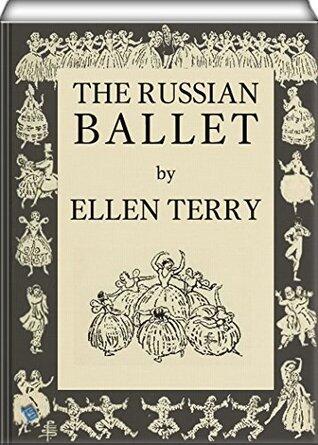
The Russian Ballet by Ellen Terry
Dame Ellen Terry, GBE was an English stage actress who became the leading Shakespearean actress in Britain. Born into a family of actors, Terry began acting as a child in Shakespeare plays and continued as a teen, in London and on tour
THE Russian ballet, at least that section of it which M. de Diaghiliev, patron and grand seigneur rather than agent, has taken all over Europe during the last few years, and more recently to America, is now more than a darling of its own nation, a naturally ballet-loving nation. It has become an international possession. In England the Russian dancers have perhaps been acclaimed with more whole-hearted fervor than elsewhere, because before their coming the land was barren. In France and Italy they had ballets of their own. They have a standard by which they can measure the visitors from St. Petersburg. But English audiences, like children presented with a new toy, first shyly wondered at the novelty of the agile strangers, and then fell into transports of enthusiasm.
Uncritical enthusiasm toward art and artists is an amiable attitude of the English once they have been gained over. And this enthusiasm has a way of persisting. "The English public may be slow," said a musician who had taken a long time to win their suffrages, "but they are damnably faithful!" If the fashion in Russian ballet should age elsewhere I feel sure it will not in England, the last country to adopt it. So these notes by an enthusiast have a good chance of being seasonable for many years. Yes, I claim to be an enthusiast, although, perhaps, the fact that I am not an English enthusiast but one who is half Irish and half Scotch makes me more canny than some of my fellow-admirers. I have never opened my mouth and swallowed the new ballet and all its works without thinking. These are, all the same, impressions rather than criticisms. And the impressions are not intended as an explanation of Miss Pamela Colman Smith's pictures any more than her pictures are intended to be an explanation of my impressions. Her pictures surely speak for themselves. And like the clerk, I need only cry "Amen" to her eloquent drawings.
Dame Ellen Terry, GBE was an English stage actress who became the leading Shakespearean actress in Britain. Born into a family of actors, Terry began acting as a child in Shakespeare plays and continued as a teen, in London and on tour
THE Russian ballet, at least that section of it which M. de Diaghiliev, patron and grand seigneur rather than agent, has taken all over Europe during the last few years, and more recently to America, is now more than a darling of its own nation, a naturally ballet-loving nation. It has become an international possession. In England the Russian dancers have perhaps been acclaimed with more whole-hearted fervor than elsewhere, because before their coming the land was barren. In France and Italy they had ballets of their own. They have a standard by which they can measure the visitors from St. Petersburg. But English audiences, like children presented with a new toy, first shyly wondered at the novelty of the agile strangers, and then fell into transports of enthusiasm.
Uncritical enthusiasm toward art and artists is an amiable attitude of the English once they have been gained over. And this enthusiasm has a way of persisting. "The English public may be slow," said a musician who had taken a long time to win their suffrages, "but they are damnably faithful!" If the fashion in Russian ballet should age elsewhere I feel sure it will not in England, the last country to adopt it. So these notes by an enthusiast have a good chance of being seasonable for many years. Yes, I claim to be an enthusiast, although, perhaps, the fact that I am not an English enthusiast but one who is half Irish and half Scotch makes me more canny than some of my fellow-admirers. I have never opened my mouth and swallowed the new ballet and all its works without thinking. These are, all the same, impressions rather than criticisms. And the impressions are not intended as an explanation of Miss Pamela Colman Smith's pictures any more than her pictures are intended to be an explanation of my impressions. Her pictures surely speak for themselves. And like the clerk, I need only cry "Amen" to her eloquent drawings.
Book Details
Format
Kindle
Pages
44 pages
Language
English
Published
Aug 6, 2014
Publisher
transcript
Editions
4 editions