Description
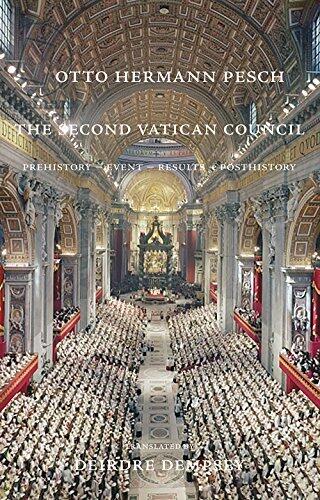
This exploration delves into the rich tapestry surrounding the Second Vatican Council, offering a thorough examination of its prehistory, the significant events that unfolded, and its enduring impact. Otto Hermann Pesch, a respected Roman Catholic theologian, provides a thoughtful narrative that reflects not only on the council's historical context but also its theological implications.
The analysis extends beyond the meetings held in the early 1960s, venturing into the intricate relationships and cultural currents that influenced its formation. Pesch, alongside translator Deirdre Dempsey, articulates the dynamics between church leadership and laity, as well as the global reactions to the reforms proposed. Through their insights, readers gain a deeper appreciation for the council's revolutionary spirit and the controversies it stirred among different factions within the church.
Ultimately, the book culminates in a discussion of the council's lasting legacy, addressing how its decisions continue to shape modern Catholicism. By examining the results of the council, readers are invited to reflect on the transformative journey of the Church in a rapidly changing world, making this examination both timely and relevant.
The analysis extends beyond the meetings held in the early 1960s, venturing into the intricate relationships and cultural currents that influenced its formation. Pesch, alongside translator Deirdre Dempsey, articulates the dynamics between church leadership and laity, as well as the global reactions to the reforms proposed. Through their insights, readers gain a deeper appreciation for the council's revolutionary spirit and the controversies it stirred among different factions within the church.
Ultimately, the book culminates in a discussion of the council's lasting legacy, addressing how its decisions continue to shape modern Catholicism. By examining the results of the council, readers are invited to reflect on the transformative journey of the Church in a rapidly changing world, making this examination both timely and relevant.
Book Details
Format
Paperback
Pages
424 pages
Language
English
Published
Feb 9, 2015
Publisher
Marquette Univ Pr
ISBN-10
1626007020
ISBN-13
9781626007024