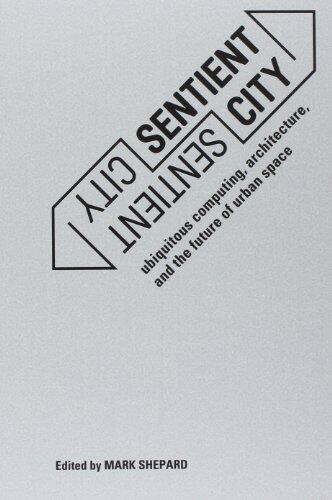
Description
In a world grappling with educational challenges, a team of insightful architects and designers came together to explore innovative solutions for transforming teaching and learning environments. Their collaboration led to a compelling exploration of how design can significantly enhance educational experiences, presenting a fresh perspective on the role of the physical space in fostering engagement and creativity among students and educators alike.
Through a series of thought-provoking insights and practical strategies, the work delves into 79 distinct methodologies that highlight the profound impact of design on educational outcomes. Each approach serves as a beacon, encouraging educators to rethink and reshape their classrooms, recognizing that the environment plays a critical role in how knowledge is absorbed and shared.
The authors emphasize the importance of collaboration among educators, designers, and community members in creating spaces that are not only functional but also inspiring. They advocate for an integrated approach that blends layout, aesthetics, and technology to form learning spaces that stimulate curiosity and innovation.
Ultimately, this framework invites educators to embrace design as a powerful tool for transformation, urging them to envision classrooms that empower students and reinvigorate the educational process. By challenging conventional norms and encouraging a reimagining of learning spaces, the book aspires to ignite a movement towards more effective and dynamic educational environments.
Through a series of thought-provoking insights and practical strategies, the work delves into 79 distinct methodologies that highlight the profound impact of design on educational outcomes. Each approach serves as a beacon, encouraging educators to rethink and reshape their classrooms, recognizing that the environment plays a critical role in how knowledge is absorbed and shared.
The authors emphasize the importance of collaboration among educators, designers, and community members in creating spaces that are not only functional but also inspiring. They advocate for an integrated approach that blends layout, aesthetics, and technology to form learning spaces that stimulate curiosity and innovation.
Ultimately, this framework invites educators to embrace design as a powerful tool for transformation, urging them to envision classrooms that empower students and reinvigorate the educational process. By challenging conventional norms and encouraging a reimagining of learning spaces, the book aspires to ignite a movement towards more effective and dynamic educational environments.
Book Details
Format
Kindle
Pages
254 pages
Language
English
Published
Jan 1, 2010
Publisher
Abrams Books
Edition
1st
Editions
2 editions
ISBN-10
1613127898
ISBN-13
9781613127896