

Description
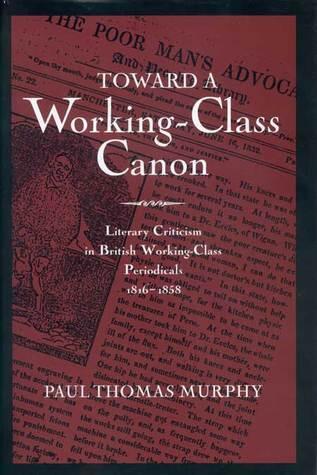
Paul Thomas Murphy delves into the often-overlooked perspectives of the working class in British literature from 1816 to 1858. Through a meticulous exploration of periodicals, he uncovers how the voices of the working class contributed to the literary landscape of the time. Murphy illustrates how these publications served as platforms for criticism and discourse, reflecting the social struggles and aspirations of ordinary people.
This work not only highlights the significant contributions of working-class writers and critics but also challenges the traditional literary canon that often sidelines these voices. By examining the cultural contexts and thematic concerns present in these periodicals, Murphy sheds light on the unique literary identities formed within the working-class community.
Readers are invited to reconsider the historical narratives that shape our understanding of literature. The insights presented provide a rich and nuanced portrayal of the literary engagement from the working class, offering a fresh perspective on the evolution of literary criticism in a period marked by industrial change and social upheaval.
This work not only highlights the significant contributions of working-class writers and critics but also challenges the traditional literary canon that often sidelines these voices. By examining the cultural contexts and thematic concerns present in these periodicals, Murphy sheds light on the unique literary identities formed within the working-class community.
Readers are invited to reconsider the historical narratives that shape our understanding of literature. The insights presented provide a rich and nuanced portrayal of the literary engagement from the working class, offering a fresh perspective on the evolution of literary criticism in a period marked by industrial change and social upheaval.
Book Details
Format
Hardcover
Pages
211 pages
Language
English
Published
Jun 20, 2007
Publisher
Ohio State Univ Pr
ISBN-10
0814206549
ISBN-13
9780814206546