

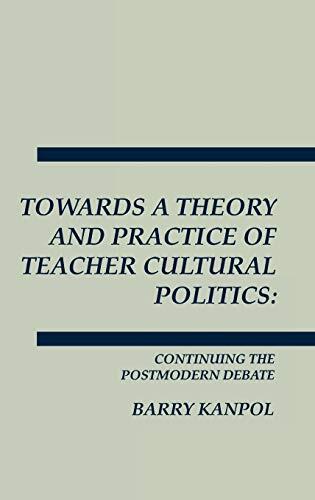
Book Details
Format
Hardcover
Pages
160
Language
English
Published
Jan 1, 1992
Publisher
Holtzbrinck
ISBN-10
0893918229
ISBN-13
9780893918224
Description
Barry Kanpol delves into the intricate dynamics of teacher cultural politics, offering readers a profound examination of how institutional culture shapes educational practices. With a keen eye for detail, Kanpol traverses through various educational environments, uncovering the subtleties that define the interactions and power structures within schools and classrooms.
The author engages with postmodern debates, striving to bring clarity to the often complex relationship between educators and the political landscapes they navigate. He skillfully articulates the implications of cultural politics in teaching, emphasizing the necessity for educators to understand their roles not merely as instructors but as active participants in broader societal conversations.
Kanpol’s exploration is not just theoretical; he intertwines practical insights that encourage educators to reflect critically on their own practices and the cultural narratives they perpetuate. This reflective approach augments the discourse around education, compelling educators to recognize the significance of their influence on students and the communities they serve.
Ultimately, the work invites educators, policymakers, and scholars to reconsider their perspectives on education in a rapidly changing world, advocating for a more nuanced understanding of culture and politics within teaching. With its rich insights, the text stands as a pivotal contribution to ongoing discussions regarding educational reform and the role of cultural awareness in the classroom.
The author engages with postmodern debates, striving to bring clarity to the often complex relationship between educators and the political landscapes they navigate. He skillfully articulates the implications of cultural politics in teaching, emphasizing the necessity for educators to understand their roles not merely as instructors but as active participants in broader societal conversations.
Kanpol’s exploration is not just theoretical; he intertwines practical insights that encourage educators to reflect critically on their own practices and the cultural narratives they perpetuate. This reflective approach augments the discourse around education, compelling educators to recognize the significance of their influence on students and the communities they serve.
Ultimately, the work invites educators, policymakers, and scholars to reconsider their perspectives on education in a rapidly changing world, advocating for a more nuanced understanding of culture and politics within teaching. With its rich insights, the text stands as a pivotal contribution to ongoing discussions regarding educational reform and the role of cultural awareness in the classroom.
Genres
History