

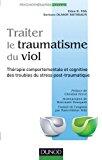
Description
This insightful work delves into the impact of trauma, specifically focusing on the aftermath of sexual assault. The authors, both esteemed experts in the field of psychology, provide a thorough examination of cognitive behavioral therapy as a means to address and mitigate the effects of post-traumatic stress disorder. Their collaborative effort is rooted in deep clinical knowledge and a genuine empathy for the struggles faced by survivors.
Through structured methodologies, the text supports clinicians in implementing effective treatment strategies, ensuring that those affected can reclaim a sense of control and healing. The authors emphasize the importance of tailored therapeutic approaches, recognizing that each survivor's journey is unique. They explore various techniques that help individuals confront and process their trauma while fostering resilience.
Rich in case studies and practical insights, this work serves as a crucial resource for mental health professionals seeking to broaden their understanding of trauma and recovery. It offers valuable guidance on how to facilitate healing through established psychological practices, emphasizing a compassionate approach.
For survivors and practitioners alike, this comprehensive exploration shines a light on the transformative potential of cognitive behavioral therapy in overcoming the challenges posed by trauma, empowering individuals to embark on a path toward recovery.
Through structured methodologies, the text supports clinicians in implementing effective treatment strategies, ensuring that those affected can reclaim a sense of control and healing. The authors emphasize the importance of tailored therapeutic approaches, recognizing that each survivor's journey is unique. They explore various techniques that help individuals confront and process their trauma while fostering resilience.
Rich in case studies and practical insights, this work serves as a crucial resource for mental health professionals seeking to broaden their understanding of trauma and recovery. It offers valuable guidance on how to facilitate healing through established psychological practices, emphasizing a compassionate approach.
For survivors and practitioners alike, this comprehensive exploration shines a light on the transformative potential of cognitive behavioral therapy in overcoming the challenges posed by trauma, empowering individuals to embark on a path toward recovery.
Book Details
Format
Paperback
Pages
320 pages
Language
French
Published
Jan 1, 2012
Publisher
dunod
Edition
DUNOD
ISBN-10
2100572571
ISBN-13
9782100572571