

Description
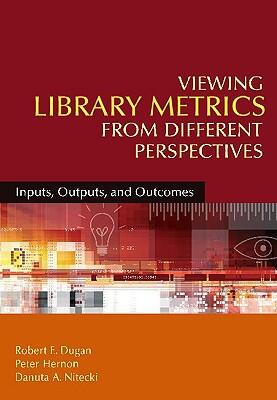
This insightful examination delves into the multifaceted world of library metrics, offering a comprehensive view of inputs, outputs, and outcomes that define library performance. The authors bring together their expertise to illuminate the intricate ways libraries can measure effectiveness and impact within their communities. By presenting varied perspectives, they encourage library professionals to broaden their understanding of how metrics can influence decision-making and strategic planning.
The text emphasizes the necessity of not just collecting data, but interpreting it in ways that can inform future actions and policies. Readers are guided through different methodologies for measuring library success, highlighting the importance of aligning metrics with institutional goals and user needs. Through real-world examples and case studies, the authors illustrate practical applications of metrics in enhancing library services.
Moreover, the work addresses the challenges and limitations of traditional library metrics, urging a shift towards a more holistic evaluation approach. It promotes the idea that outcomes, rather than mere outputs, should take precedence in assessing a library's true value to its patrons.
Ultimately, this book serves as a vital resource for library administrators, educators, and researchers who are eager to understand better how to leverage metrics to foster continuous improvement and demonstrate the significant role libraries play in their communities. With engaging analysis and expert insights, it opens up a dialogue about the future of library measurement and the need for innovative practices in a rapidly changing information landscape.
The text emphasizes the necessity of not just collecting data, but interpreting it in ways that can inform future actions and policies. Readers are guided through different methodologies for measuring library success, highlighting the importance of aligning metrics with institutional goals and user needs. Through real-world examples and case studies, the authors illustrate practical applications of metrics in enhancing library services.
Moreover, the work addresses the challenges and limitations of traditional library metrics, urging a shift towards a more holistic evaluation approach. It promotes the idea that outcomes, rather than mere outputs, should take precedence in assessing a library's true value to its patrons.
Ultimately, this book serves as a vital resource for library administrators, educators, and researchers who are eager to understand better how to leverage metrics to foster continuous improvement and demonstrate the significant role libraries play in their communities. With engaging analysis and expert insights, it opens up a dialogue about the future of library measurement and the need for innovative practices in a rapidly changing information landscape.
Book Details
Format
Paperback
Pages
364 pages
Language
English
Published
Aug 27, 2009
Publisher
Holtzbrinck Publishing Group
Edition
1
ISBN-10
1591586658
ISBN-13
9781591586654