

Book Details
Format
Hardcover
Pages
272
Language
English
Published
Sep 1, 2015
Publisher
Routledge
ISBN-10
041585797X
ISBN-13
9780415857970
Description
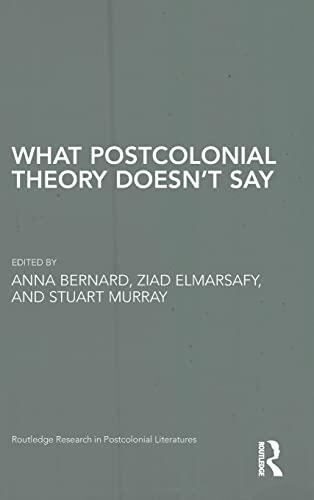
This book reclaims postcolonial theory, addressing persistent limitations in the geographical, disciplinary, and methodological assumptions of its dominant formations. It emerges, however, from an investment in the future of postcolonial studies and a commitment to its basic namely, that literature and culture are fundamental to the response to structures of colonial and imperial domination. To a certain extent, postcolonial theory is a victim of its own success, not least because of the institutionalization of the insights that it has enabled. Now that these insights no longer seem new, it is hard to know what the field should address beyond its general commitments. Yet the renewal of popular anti-imperial energies across the globe provides an important opportunity to reassert the political and theoretical value of the postcolonial as a comparative, interdisciplinary, and oppositional paradigm. This collection makes a claim for what postcolonial theory can say through the work of scholars articulating what it still cannot or will not say. It explores ideas that a more aesthetically sophisticated postcolonial theory might be able to address, focusing on questions of visibility, performance, and literariness. Contributors highlight some of the shortcomings of current postcolonial theory in relation to contemporary political developments such as Zimbabwean land reform, postcommunism, and the economic rise of Asia. Finally, they address the disciplinary, geographical, and methodological exclusions from postcolonial studies through a detailed focus on new disciplinary directions (management studies, international relations, disaster studies), overlooked locations and perspectives (Palestine, Weimar Germany, the commons), and the necessity of materialist analysis for understanding both the contemporary world and world literary systems.
Genres
Business & Economics
Contemporary