Description
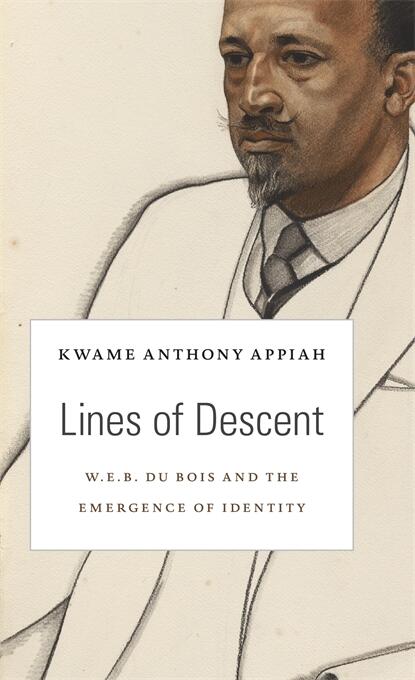
Kwame Anthony Appiah delves into the life and legacy of W. E. B. Du Bois, exploring how his experiences in Berlin shaped his understanding of identity and race. Through the lens of Du Bois's time as a student, Appiah presents a vivid portrait of a young intellectual grappling with the complexities of race in a European context. This transformative period in Berlin became a crucible for Du Bois's thoughts, helping him to forge his revolutionary ideas about African American identity.
The narrative does not merely recount historical events but invites readers to engage with the profound internal conflicts and cultural exchanges that defined Du Bois's life. Appiah skillfully examines how these experiences influenced Du Bois's later works, which became cornerstones in the fight for civil rights and social justice. Du Bois emerges as a figure not only rooted in African American heritage but as an intercontinental thinker who sought to bridge disparate cultures.
Appiah also probes the broader societal implications of Du Bois's ideas, highlighting how they resonate in contemporary discussions about race, identity, and belonging. The author's insights encourage a reevaluation of how personal and collective identities are formed and transformed through education and cultural encounters. This exploration is both a tribute to a pioneering thinker and a critical investigation of the enduring questions surrounding identity.
In weaving together Du Bois’s academic pursuits and his profound reflections on race, Appiah creates a tapestry that reveals the intricacies of identity formation in a globalized world. Through the lens of Du Bois, readers are invited to contemplate their own definitions of identity and the lines of descent that shape them. The work resonates beyond history, becoming a vital conversation about who we are and how we connect with one another across diverse backgrounds.
Book Details
Format
Kindle
Pages
238 pages
Language
English
Published
Feb 27, 2014
Publisher
Harvard University Press
Editions
2 editions
ISBN-10
0674419367
ISBN-13
9780674419360